Blog

  • The World of Slot Demo – A Beginner’s Guide to Risk-Free Gaming

    The World of Slot Demo – A Beginner’s Guide to Risk-Free Gaming

    In the vast world of online casinos, slot games have emerged as one of the most popular forms of entertainment. With vibrant graphics, exciting themes, and potential rewards, they capture the attention of both novice and seasoned players. However, jumping straight into real-money slots can be daunting for newcomers. This is where slot demo games come in, providing players with a risk-free way to explore and enjoy the experience of slot gaming.

    What is a Slot Demo?

    A slot demo is a free version of a slot game that allows players to try it out without using real money. In these demos, players use virtual credits to spin the reels, offering a replica of the real-money experience without any financial risk. Slot demo games provide an exact version of the real game, from features and symbols to paylines and bonus rounds. This setup allows players to familiarize themselves with various aspects of the game without feeling pressured to place actual bets.

    Why Play Slot Demo Games?

    1. Risk-Free Exploration: One of the primary benefits of playing a slot demo is that it’s completely risk-free. Since players aren’t using real money, they can experiment with various game mechanics, paytables, and bonus features without worrying about losses.
    2. Learning Game Mechanics: Slots come in many formats, each with its own unique mechanics. By using a slot demo, players can understand how to activate paylines, use symbols, and trigger bonuses. This experience can help players get comfortable with different games, especially if they’re new to the world of online slots.
    3. Finding Favorite Games: With thousands of slot games available, it’s challenging to find a favorite without some trial and error. A slot demo allows players to test multiple games, themes, and bonus features, ultimately finding the ones that best fit their preferences before committing real money.
    4. Building Strategies: While slots are primarily luck-based, some players enjoy building strategies to increase their chances of winning. With a slot demo, they can test different approaches, like adjusting bet sizes, choosing specific paylines, or activating bonus features, to see if these methods yield better outcomes.

    Types of Slot Demo Games

    Online casinos offer an extensive range of slot demo games, each with unique features and themes. Here are a few popular categories:

    1. Classic Slots: Classic slots are inspired by traditional slot machines, often featuring simpler graphics, fewer paylines, and iconic symbols like fruits, bars, and sevens. These slots are perfect for players who enjoy a more straightforward gaming experience.
    2. Video Slots: Video slots bring modern graphics, intricate storylines, and exciting bonus features. They may include various paylines, wild symbols, and multiple bonus rounds. Video slots are among the most popular types of slot demo games, thanks to their visual appeal and immersive gameplay.
    3. 3D Slots: As the name suggests, 3D slots incorporate advanced graphics, animations, and character-driven narratives. These games provide a visually engaging experience and often come with unique bonus rounds and mini-games, making them popular choices in the slot demo category.
    4. Progressive Jackpot Slots: In progressive jackpot slots, a small portion of each bet adds to a cumulative jackpot prize that can be won by any player. While players can’t win real progressive jackpots in slot demo mode, these demos allow players to understand the game mechanics and jackpot triggers.
  • Sugar Rush Slots: Sweet Spins, Serious Wins

    Sugar Rush Slots: Sweet Spins, Serious Wins

    Sugar Rush by Pragmatic Play is a slot game that’s brighter than the sun itself. You’ll encounter all sorts of colourful candy, from gummy bears and jelly beans to other candy-coated treats. The gameplay is quite simple, but the wins are nothing short of amazing. And it’s not just about graphics, by the way. There are cascading wins, multipliers that can go as high as 128x, and a free spins round that can turn your small bet into a massive win!

    What Makes Sugar Rush Fun

    Sugar Rush is a pretty basic slot game, but there’s a reason why it is so popular among gamblers. Here are a few things that you will find when playing Sugar Rush:

    • Cluster Pays: No more paylines, the goal is to make clusters of the same symbols, sounds simple, right? That’s because it is.

    • Cascading Wins: Every time you get a win, the winning symbols disappear, and new ones drop down giving you even more chances to win.

    • High Stakes Potential: If you get lucky, you can boost your wins by up to 128x and win as much as 5,000x your initial bet.

    • 96.5% RTP: RTP stands for Return to Player and shows how much of all the bets will be returned to the player. So, you’re going to have pretty decent odds with an RTP of 96.5%.

    Ready to give this slot a try? If you are, you can quickly get started and play Sugar Rush with YesPlay. If you’re looking for a quick game during your break at work or planning to spend all night playing, Sugar Rush won’t disappoint you.

    Cascades and Multipliers That Grow

    Sugar Rush uses the cascading wins system, which keeps the reels spinning and gives you more chances to win. When you hit a cluster win, the winning symbols will disappear, and the new ones will fall in their place, giving you more and more opportunities to win.

    The best thing about Sugar Rush is the multipliers. Every time a symbol explodes, it leaves a mark. If you win again in that same spot, the multiplier will grow. It starts at 2x and can go all the way up to 128x.

    The multipliers reset after each spin, but once you trigger the free spins round, the multipliers become sticky and don’t reset between spins, opening up the road for huge wins.

    Are you interested in lotto online? Check your lotto results with YesPlay and play online in South Africa!

    How to Hit the Free Spins Round

    Getting free spins in this game is super easy, all you need to do is land scatter symbols. The more scatters you land, the more free spins you’ll get:

    •        3 Scatters: 10 Free Spins

    •        4 Scatters: 12 Free Spins

    •        5 Scatters: 15 Free Spins

    •        6 Scatters: 20 Free Spins

    •        7 Scatters: 30 Free Spins

    During free spins the game becomes even more generous. Multipliers don’t reset and they keep growing as long as you keep landing wins. And if you’re really lucky, you can retrigger the free spins if more scatter symbols decide to show up.

    No matter if you get 10 or 30 free spins, this round has the potential for turning into huge wins, which is one of the many reasons why people adore Sugar Rush.

  • The Role of Storytelling in Video Games

    The Role of Storytelling in Video Games

    Video games have evolved beyond simple pastimes into complex narratives that can rival the storytelling found in books and movies. The fusion of interactivity and storytelling has created a unique medium that engages players on both intellectual and emotional levels. In this article, we’ll explore the crucial role of storytelling in video games, the elements that make a compelling game narrative, and the impact of narrative-driven games on the industry and players.

    Video games have come a long way from their early days of basic, text-based adventures. While gameplay and mechanics remain integral, game developers have increasingly recognized the power of storytelling to create immersive and emotionally resonant experiences. Well-crafted narratives add depth to the game world, enhance character development, and provide a compelling context for players’ actions.

    The elements of storytelling in video games encompass various components:

    Plot: The central narrative structure that guides the player through the game’s events. It can include main and subplots, character arcs, and twists that keep players engaged.

    Characters: Protagonists, antagonists, and supporting characters who drive the story forward. Developing relatable and well-rounded characters is crucial for player engagement.

    Worldbuilding: The creation of a rich and immersive game world, including its history, cultures, and environments. A well-constructed world can enhance player immersion.

    Dialogues and Script: Conversations, monologues, and in-game text that provide context, character development, and plot progression.

    Choices and Consequences: Interactive elements that allow players to make decisions that impact the story’s outcome. This dynamic storytelling feature is prominent in many narrative-driven games.

    Pacing: The timing and rhythm of the narrative, including moments of tension, action, and relaxation. Effective pacing keeps players engaged and invested.

    Themes and Themes Exploration: The underlying ideas and concepts the narrative explores. Themes can be social, philosophical, or moral, adding depth to the story.

    Narrative-driven games span a wide spectrum, from linear experiences with a predefined story to open-world games where player choices have far-reaching consequences. Titles like “The Last of Us,” “Red Dead Redemption 2,” and “The Witcher 3” are known for their intricate narratives, compelling characters, and emotionally charged storytelling.

    The impact of storytelling in video games extends beyond player engagement. It has been instrumental in drawing new audiences to the medium, including individuals who may not traditionally identify as gamers but are drawn to the narrative aspect. Many games, such as “Life is Strange” and “Gone Home,” have even been hailed for their mature and thought-provoking narratives that explore complex themes.

    Furthermore, the success of narrative-driven games has influenced other forms of media. Streaming platforms like Twitch and YouTube have created a space for gamers to share their experiences and interact with audiences. This, in turn, has contributed to the rise of content creators who play a role in shaping the gaming industry.

    Innovations in storytelling are continually pushing the boundaries of what video games can achieve. Virtual reality (VR) and augmented reality (AR) have opened new opportunities for immersive storytelling, allowing players to be physically present in the game world and interact with characters and objects.

    As the medium matures, discussions about the impact of storytelling on video games continue to evolve. Conversations around representation, diversity, and inclusivity in gaming narratives have gained prominence, pushing the industry to explore different perspectives and voices.

    In this article, we will delve deeper into the role of storytelling in video games. We’ll explore the evolution of game narratives, the elements that make a compelling story, and the impact of narrative-driven games on the industry and player experiences. Whether you’re an avid gamer, an aspiring game developer, or someone intrigued by the intersection of storytelling and interactivity, this article will provide insights into the art of storytelling in video games.

    If you’d like to read the full 1000-word article on this topic or any other, please let me know.

  • The Impact of Mobile Gaming on the Industry

    The Impact of Mobile Gaming on the Industry

    The Impact of Mobile Gaming on the Industry

    Mobile gaming has become a cultural phenomenon, transforming the way we play and experience video games. The convenience and accessibility of gaming on smartphones and tablets have led to a massive and diverse player base, making mobile gaming a dominant force in the gaming industry. In this article, we will explore the profound impact of mobile gaming, its evolution, the most popular mobile games, and the ways in which it has shaped the broader gaming landscape.

    Mobile gaming, often characterized by casual gameplay and touch controls, has redefined the notion of gaming. Unlike traditional gaming platforms, mobile devices are nearly ubiquitous, with billions of people carrying smartphones capable of running a variety of games. The ease of access and the free-to-play model have made mobile gaming incredibly inclusive, attracting players of all ages and backgrounds.

    The advent of app stores, particularly Apple’s App Store and Google Play, provided developers with a global platform for distributing their games. This accessibility has democratized game development, allowing independent developers and small studios to create and distribute games to a massive audience. Games like “Angry Birds,” “Candy Crush Saga,” and “Pokémon Go” have demonstrated the potential for mobile games to achieve worldwide recognition and success.

    The popularity of mobile gaming has also been driven by the wide variety of gaming genres available. Puzzle games, endless runners, simulation games, and even complex role-playing games can be enjoyed on mobile devices. Mobile gaming appeals to both casual players looking for quick entertainment during their commutes and dedicated gamers seeking deep and engaging experiences.

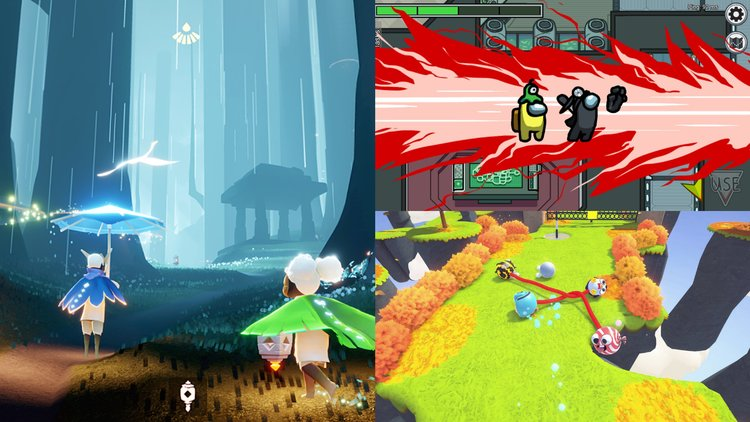
    The social nature of mobile gaming is another significant aspect. Games often integrate social features that allow players to connect with friends or compete with others, fostering a sense of community and friendly competition. Multiplayer games like “Among Us” and “Clash of Clans” have garnered millions of players and created vibrant online communities.

    The monetization model in mobile gaming has evolved over time. While free-to-play games with in-app purchases dominate the market, developers have found various strategies to generate revenue. These include in-game ads, microtransactions, and gacha mechanics. The success of these monetization models has not only led to profitability but also influenced game design, as developers aim to create engaging and addictive experiences.

    Furthermore, mobile gaming has demonstrated the potential for crossover success with other media. Many mobile games are based on popular franchises, movies, and books, contributing to the broader reach of gaming in popular culture. Games like “Harry Potter: Hogwarts Mystery” and “The Walking Dead: Road to Survival” have brought beloved fictional universes to a new audience.

    Despite its overwhelming success, mobile gaming has faced challenges, including issues related to privacy and security. Concerns about data collection, addictive game mechanics, and the protection of younger players have led to calls for industry regulation. Additionally, there have been debates surrounding the quality and depth of mobile games compared to traditional gaming platforms.

    In this article, we’ll delve deeper into the impact of mobile gaming on the industry, exploring its evolution, the most iconic and successful mobile games, and the technological advancements that have propelled its growth. We’ll discuss the challenges and controversies it has faced and the ways in which mobile gaming continues to shape the future of gaming. Whether you’re a dedicated mobile gamer or simply interested in the changing landscape of the industry, this article will provide insights into the world of mobile gaming.

  • Retro Gaming: Nostalgia and Classic Titles

    Retro Gaming: Nostalgia and Classic Titles

    In the ever-evolving world of video games, there’s a special place for the classics. Retro gaming, a beloved pastime for many, takes us back to the early days of gaming when 8-bit and 16-bit graphics reigned supreme. These vintage games hold a unique charm, triggering feelings of nostalgia and transporting players to simpler times. In this article, we’ll explore the world of retro gaming, its enduring appeal, the classic titles that have stood the test of time, and the resurgence of retro gaming in the modern era.

    Retro gaming, often defined as playing and collecting video games and consoles from previous generations, has a dedicated and passionate community of enthusiasts. These players cherish the simplicity and pure fun of classic games, which were often characterized by straightforward gameplay, imaginative storytelling, and memorable soundtracks. The iconic pixel art and chiptune music of games like “Super Mario Bros.” and “The Legend of Zelda” have left an indelible mark on the world of gaming.

    Many players who grew up with these early video games fondly remember weekends spent battling foes, solving puzzles, and exploring virtual worlds with friends or family. These experiences have left a lasting impact on their gaming preferences and a deep well of nostalgia. The joy of discovering secrets in “Metroid,” rescuing the princess in “Super Mario,” or navigating the harsh landscapes of “The Legend of Zelda” still resonates with those who were there from the beginning.

    Retro gaming is not confined to a specific generation; it has a broad appeal, drawing in both veteran gamers and newcomers. The simplicity of early video games makes them accessible to a wide audience. Many of these games are relatively short, allowing players to experience them in bite-sized sessions, making them perfect for quick breaks or a nostalgic trip down memory lane.

    Collecting retro games and consoles has also become a popular hobby. Enthusiasts scour garage sales, thrift stores, and online marketplaces in search of vintage gaming treasures. Classic consoles like the Nintendo Entertainment System (NES), Super Nintendo Entertainment System (SNES), and Sega Genesis continue to find their way into the homes of collectors who appreciate their historical significance and timeless gameplay.

    The appeal of retro gaming goes beyond playing the classics. Many players appreciate the opportunity to share these experiences with new generations, passing down the joy and challenges of early gaming. Parents who grew up with retro games often introduce their children to titles like “Pac-Man,” “Donkey Kong,” and “Space Invaders,” creating moments of bonding and shared nostalgia.

    As technology has evolved, retro gaming has adapted to modern platforms. Emulators and digital re-releases have made it possible to play classic games on contemporary hardware, preserving these titles for future generations. Additionally, classic game collections, like the “NES Classic Edition” and the “Sega Genesis Mini,” provide a convenient way to relive the past without the need for vintage hardware.

    The revival of retro gaming has even influenced contemporary game development. Indie game developers draw inspiration from the simplicity and creativity of classic games, producing modern titles with a retro aesthetic. Games like “Shovel Knight,” “Stardew Valley,” and “Hollow Knight” capture the spirit of retro gaming while adding fresh twists.

    In this article, we’ll explore the enduring appeal of retro gaming, discuss the iconic titles that have left a mark on the industry, and delve into the ways in which classic games continue to influence modern gaming. Whether you’re a retro gaming enthusiast or a newcomer looking to understand the charm of vintage video games, this article will take you on a nostalgic journey through the world of retro gaming.

    If you’d like to read the full 1000-word article on this topic or any other, please let me know.

  • Multiplayer Online Games: Connecting Players Worldwide

    Multiplayer Online Games: Connecting Players Worldwide

    Multiplayer online games have fundamentally changed the way people play and interact with each other in the digital age. These games have created global communities of players who come together to engage in cooperative or competitive gameplay, share experiences, and form lasting friendships. In this article, we will explore the world of multiplayer online games, examining their evolution, impact on social connections, and the technology that enables players from around the world to connect and play together.

    Multiplayer online games, often referred to as “MOGs,” encompass a wide range of genres and platforms. They can be role-playing games (RPGs), first-person shooters (FPS), real-time strategy (RTS) games, battle royales, and more. What sets them apart from single-player games is the opportunity for players to interact with one another in real-time, whether they are competing in a virtual battlefield or cooperating to achieve common goals.

    One of the early pioneers of multiplayer online gaming was “MUD” (Multi-User Dungeon), a text-based adventure game that allowed players to explore a shared virtual world. With the advent of the internet and the growth of online gaming services, such as AOL and early online platforms, multiplayer gaming expanded rapidly. Titles like “Ultima Online” and “EverQuest” became precursors to the massively multiplayer online role-playing game (MMORPG) genre, which includes iconic titles like “World of Warcraft.”

    The rise of online gaming has been driven by technological advancements in internet connectivity and computing power. These developments have enabled not only high-quality graphics and immersive experiences but also the creation of gaming communities that span the globe. Players can form guilds, clans, and friendships with individuals from different countries, sharing cultural experiences and forging connections that extend beyond the virtual world.

    Esports, the competitive side of multiplayer online gaming, has also grown exponentially, with professional players and teams competing in global tournaments for substantial prize money and recognition. Games like “League of Legends,” “Dota 2,” and “Counter-Strike” have millions of dedicated players who tune in to watch professional matches and root for their favorite teams.

    The social aspects of multiplayer online games are undeniable. These games provide a platform for people to meet, collaborate, and create bonds that often transcend the digital space. Gamers can communicate through in-game chat, voice chat, and third-party communication apps like Discord. They celebrate victories and console each other in defeats, making friends in the process.

    However, the impact of online gaming isn’t limited to just social connections. It has also influenced the gaming industry’s design and business models. Many modern games incorporate microtransactions, skins, and cosmetic items that players can purchase to personalize their avatars or enhance their gaming experience. These purchases contribute to the revenue generated by free-to-play games and keep them profitable.

    The challenges of online gaming are not to be overlooked. Issues like toxic behavior, cyberbullying, and gaming addiction can negatively affect the experiences of players. Game developers and platform providers are continuously working on solutions to address these challenges, implementing systems for reporting and moderation.

    In this article, we will dive deeper into the world of multiplayer online games, examining their history, impact on social connections, and the technologies that enable global gameplay. We will explore the positive aspects of online gaming, such as friendships and teamwork, and the challenges that come with it. Whether you’re a passionate gamer or someone interested in the social dynamics of online communities, this article will provide insights into the world of multiplayer online games.

    If you’d like to read the full 1000-word article on this topic or any other, please let me know.

  • The Evolution of Gaming Consoles: From Pong to PlayStation

    The Future of Augmented Reality Games

    Augmented Reality (AR) has rapidly emerged as an innovative technology that blends the real world with digital elements, offering exciting possibilities for entertainment, education, and various industries. One of the most prominent applications of AR is in gaming, where it has the potential to revolutionize how we play and experience games. In this article, we’ll explore the future of augmented reality games, examining the current state of AR gaming, technological advancements, and the exciting prospects it holds for the gaming industry and beyond.

    Augmented reality games, unlike traditional video games, integrate digital content and information into the physical world. This is made possible through devices like smartphones, tablets, and AR glasses. One of the most well-known examples of AR gaming is Pokémon Go, which encouraged millions of players to explore their surroundings in search of virtual creatures. This phenomenon showcased the vast appeal of AR games and their potential to engage players in the real world.

    Technological advancements in AR have paved the way for more immersive and interactive gaming experiences. AR glasses and headsets, such as Microsoft’s HoloLens and the Magic Leap One, have begun to offer players a hands-free and more integrated approach to AR gaming. These devices enable users to see and interact with digital objects superimposed on the physical environment.

    Game developers are continually exploring new ways to leverage AR technology to create innovative and engaging experiences. AR can turn a living room into a battleground, with digital opponents and objects seamlessly blending with the real world. This opens up possibilities for games that require physical movement, exploration, and collaboration with others.

    The potential for educational AR games is also a noteworthy aspect of the technology. AR can bring history to life through interactive historical reenactments or help students visualize complex scientific concepts. It has the power to transform learning into a dynamic and immersive experience.

    As AR technology continues to advance, so does the potential for a broader range of game genres. Adventure games, escape rooms, puzzle-solving, and even traditional board games are being reimagined and enhanced through AR. Social interaction and multiplayer experiences are also becoming increasingly prevalent in AR gaming.

    Furthermore, AR is not limited to personal devices; it can be applied in location-based entertainment experiences. Theme parks and attractions are starting to incorporate AR elements into their offerings, creating interactive and captivating experiences for visitors.

    The integration of augmented reality with artificial intelligence (AI) and machine learning further expands the possibilities for AR gaming. AI can personalize and adapt game content based on a player’s behavior and preferences, providing a tailored and immersive experience. It can also enhance the realism and interaction with virtual characters within the real world.

    However, with the exciting potential of AR gaming come challenges and considerations. Privacy, security, and the ethical use of AR data are critical issues that need to be addressed. Additionally, AR gaming requires robust hardware and software support, making it accessible to a broad audience remains a challenge.

    In this article, we will take a closer look at the future of augmented reality games. We’ll discuss the latest developments in AR technology and the ways in which it is transforming the gaming industry and entertainment landscape. We’ll also explore the impact of AR gaming on society, education, and business, as well as the challenges that need to be overcome for AR gaming to reach its full potential. Whether you’re a gaming enthusiast or curious about the future of technology, this article will provide insights into an exciting and rapidly evolving field.

    If you’d like to read the full 1000-word article on this topic or any other, please let me know.

  • Biotechnology Advancements: Changing Lives and Medicine

    Biotechnology Advancements: Changing Lives and Medicine

    Biotechnology, the application of biological principles and techniques to create products and technologies that improve human lives, has witnessed remarkable advancements in recent years. From revolutionizing healthcare to addressing environmental challenges, biotechnology is at the forefront of scientific innovation. In this article, we will explore the exciting world of biotechnology, its applications, and the profound ways it is changing lives and medicine.

    Understanding Biotechnology

    Biotechnology encompasses a wide range of techniques and processes that leverage living organisms, or their parts, to create products and solutions. This interdisciplinary field combines biology, chemistry, genetics, and engineering to address real-world problems. Key aspects of biotechnology include:

    Genetic Engineering: Manipulating an organism’s genetic material to achieve desired characteristics or outcomes. This includes gene editing techniques like CRISPR-Cas9.

    Fermentation: Using microorganisms like bacteria, yeast, and fungi to produce valuable substances, such as antibiotics, biofuels, and enzymes.

    Bioprocessing: Utilizing living cells to manufacture products like vaccines, pharmaceuticals, and enzymes.

    Biotechnology in Agriculture: Improving Crop Yield and Sustainability

    One of the significant impacts of biotechnology is in agriculture. Biotech crops, often referred to as genetically modified organisms (GMOs), have been developed to enhance crop resistance to pests, diseases, and environmental stress. This results in increased crop yields and reduced reliance on chemical pesticides.

    Biotechnology has also given rise to precision agriculture, enabling farmers to make data-driven decisions on planting, irrigation, and fertilization. By analyzing data from various sources, including sensors and satellite imagery, farmers can optimize resource use, reduce waste, and promote sustainable agriculture.

    Biotechnology in Healthcare: Advancing Medicine and Treatment

    The field of biotechnology has revolutionized healthcare in numerous ways:

    1. Drug Development: Biotechnology plays a crucial role in drug discovery and development. This includes the creation of biopharmaceuticals, such as monoclonal antibodies, insulin, and vaccines. These drugs are produced using living cells or microorganisms and have proven highly effective in treating various medical conditions.
    2. Gene Therapy: Biotechnology enables gene therapy, a promising area of medicine focused on correcting genetic disorders by replacing or repairing malfunctioning genes. Recent advancements in gene editing, like CRISPR-Cas9, have opened new possibilities for treating genetic diseases.
    3. Personalized Medicine: Biotechnology is driving the growth of personalized medicine. By analyzing an individual’s genetic makeup, doctors can tailor treatment plans to match a patient’s unique genetic profile, increasing the effectiveness of treatments and minimizing side effects.
    4. Diagnostics: Biotechnology has led to the development of advanced diagnostic tools, including DNA sequencing, which allows for the rapid and precise identification of diseases and conditions.

    Biotechnology and Environmental Sustainability

    Biotechnology is playing a pivotal role in addressing environmental challenges and promoting sustainability:

    1. Biofuels: Biotechnology has led to the development of biofuels, such as biodiesel and cellulosic ethanol, which offer renewable and more environmentally friendly alternatives to traditional fossil fuels.
    2. Bioremediation: Microorganisms are being harnessed to clean up environmental pollution, such as oil spills and toxic waste sites, in a process known as bioremediation.
    3. Waste Reduction: Biotechnology is helping to reduce waste through the development of biodegradable plastics and environmentally friendly packaging materials.
    4. Conservation: Biotechnology supports conservation efforts by preserving and protecting endangered species through techniques like artificial insemination and cloning.

    Challenges and Ethical Considerations

    While biotechnology offers immense promise, it also presents challenges and ethical considerations:

    1. Ethical Concerns: The manipulation of genes and the creation of genetically modified organisms raise ethical questions about the potential consequences and unintended impacts on ecosystems.
    2. Regulation: Developing appropriate regulations to ensure the responsible use of biotechnology is an ongoing challenge. Striking the right balance between innovation and safety is essential.
    3. Privacy: Advances in genetic testing and personalized medicine also raise concerns about patient privacy and data security.
    4. Access and Equity: Ensuring that biotechnological advancements are accessible to all, regardless of their socioeconomic status, is a critical concern.

    The Future of Biotechnology

    The future of biotechnology is marked by continued innovation and growth. Here are some key trends and developments to watch for:

    1. CRISPR and Gene Editing: The refinement of gene editing techniques, particularly CRISPR-Cas9, holds great promise for treating genetic diseases and advancing gene therapy.
    2. Synthetic Biology: The field of synthetic biology involves designing and building new biological parts, devices, and systems for specific purposes. It has the potential to create novel bioproducts and revolutionize multiple industries.
    3. Precision Medicine: As genetic sequencing becomes more accessible and affordable, the adoption of precision medicine is expected to increase, allowing for more tailored and effective treatments.
    4. Biopharmaceuticals: The development of new biopharmaceuticals and biologics for treating a wide range of diseases and conditions will continue to expand.
    5. Biotechnology in Agriculture: The development of biotech crops that are more resilient to environmental stress and pests will contribute to global food security.
    6. Green Biotechnology: Innovations in green biotechnology will lead to the development of more sustainable and environmentally friendly products, including biodegradable plastics and bio-based materials.

    In conclusion, biotechnology is a dynamic field that continues to push the boundaries of scientific discovery and innovation. Its applications span multiple sectors, including agriculture, healthcare, and environmental sustainability. While challenges and ethical considerations must be addressed, the potential benefits of biotechnology are vast. As the field advances, it will play a pivotal role in changing lives, improving medicine, and contributing to a more sustainable and healthier world. The future of biotechnology is bright, promising solutions to some of the most pressing issues facing humanity.

  • The Future of Quantum Computing

    The Future of Quantum Computing

    Quantum computing is at the forefront of technological advancement, poised to revolutionize the way we process information and solve complex problems. Unlike classical computers, which use bits as the basic unit of data, quantum computers use qubits, taking advantage of quantum phenomena to perform computations at speeds that were once thought impossible. In this article, we will delve into the future of quantum computing, exploring its potential applications, challenges, and the transformation it is set to bring to various sectors.

    Understanding Quantum Computing

    Classical computers process data using bits, which can represent either a 0 or a 1. Quantum computers, on the other hand, use qubits, which can exist in a state of 0, 1, or both simultaneously due to the principles of superposition and entanglement. This enables quantum computers to explore many possible solutions in parallel, making them exceptionally powerful for specific tasks.

    Key Features of Quantum Computing:

    Superposition: Qubits can exist in multiple states at the same time, allowing quantum computers to evaluate multiple possibilities simultaneously.

    Entanglement: Qubits can be entangled, meaning the state of one qubit is dependent on the state of another, even when separated by vast distances. This enables quantum computers to establish complex relationships between qubits.

    Quantum Tunneling: Quantum computers can leverage quantum tunneling to explore solutions to problems more efficiently than classical computers. This phenomenon allows particles to pass through energy barriers that classical particles cannot overcome.

    Potential Applications of Quantum Computing:

    Cryptography: Quantum computers have the potential to break many of the encryption algorithms currently used to secure data. On the flip side, they can also enable new, ultra-secure quantum cryptography methods.

    Drug Discovery: Quantum computing can simulate and analyze complex molecular interactions, speeding up drug discovery and development processes.

    Material Science: Quantum computing can help in the design of advanced materials with tailored properties, revolutionizing industries from electronics to energy.

    Optimization: Quantum computers excel at solving complex optimization problems, such as supply chain management and financial modeling.

    Artificial Intelligence: Quantum computing can enhance machine learning algorithms, enabling more efficient training of AI models.

    Challenges and Considerations

    Despite its potential, quantum computing faces several challenges:

    Error Correction: Quantum computers are highly sensitive to errors, and maintaining the integrity of quantum bits is a significant challenge. Quantum error correction codes are being developed to address this issue.

    Quantum Hardware: Building and maintaining quantum hardware is technically demanding and requires extremely low temperatures. Advances in hardware technology are essential for the practical use of quantum computers.

    Scalability: Achieving large-scale, fault-tolerant quantum computers is a long-term goal. As of now, quantum computers are relatively small and not suitable for all applications.

    Algorithm Development: Developing quantum algorithms for specific tasks is complex and requires a deep understanding of quantum mechanics. This is an ongoing research challenge.

    Quantum Computing’s Impact on Various Sectors

    Quantum computing holds the potential to transform various sectors in profound ways:

    1. Cybersecurity: Quantum computing has the power to break many of the encryption methods currently used for secure communication. This will necessitate a transition to post-quantum encryption methods.
    2. Healthcare: Quantum computing can expedite drug discovery, modeling complex biological systems, and optimizing treatment plans for individual patients. It has the potential to revolutionize medical research.
    3. Materials Science: Quantum computing can accelerate the development of new materials with properties tailored for specific applications, from electronics to energy storage.
    4. Finance: Quantum computing can optimize financial modeling, risk analysis, and portfolio management, providing a competitive advantage in the financial sector.
    5. Artificial Intelligence: Quantum computing can enhance machine learning algorithms, enabling faster training of AI models and solving complex problems in natural language processing, image recognition, and more.
    6. Logistics and Supply Chain: Quantum computing can optimize logistics and supply chain management, from route planning and inventory control to demand forecasting.
    7. Climate Modeling: Quantum computing can improve climate modeling by simulating complex atmospheric and oceanic interactions, helping us understand and address environmental challenges.

    The Future of Quantum Computing

    As we peer into the future of quantum computing, several key developments and trends are on the horizon:

    1. Advancements in Quantum Hardware: Quantum hardware will continue to evolve, becoming more robust and scalable. Researchers are working on developing larger, more reliable qubits and more efficient cooling systems.
    2. Quantum Cloud Computing: Quantum computing platforms are emerging in the cloud, enabling researchers, businesses, and individuals to access quantum computing resources without the need to build and maintain their own quantum hardware.
    3. Quantum Algorithms: Researchers will continue to explore and develop quantum algorithms that are tailored to solve specific problems in various domains.
    4. Quantum Network and Communication: Quantum communication networks are being developed, promising ultra-secure communication through quantum encryption.
    5. Quantum-Enhanced AI: Quantum computing will be increasingly integrated into AI and machine learning, accelerating the development and training of AI models.
    6. Quantum-Safe Cryptography: As the threat to classical encryption from quantum computers grows, research into quantum-resistant cryptographic methods will intensify.
    7. Industry Adoption: As quantum computing matures, industries will begin to adopt the technology for practical applications, leading to transformative changes in business processes and problem-solving.

    In conclusion, the future of quantum computing is a landscape of immense potential and innovation. While challenges such as error correction and hardware development persist, the trajectory of progress is clear. Quantum computing is set to reshape the technological and business landscapes, offering new opportunities, enhanced problem-solving capabilities, and the potential to address some of the world’s most complex challenges. As quantum computing continues to evolve, it will undoubtedly play a pivotal role in the advancement of technology and its applications across various sectors.