Blog

  • How to Save Money in Da Nang

    How to Save Money in Da Nang

    Da Nang has beaches, mountains and a food scene of its own, with Hoi An’s lantern-lit old town just down the road. It’s central Vietnam’s most relaxed base. Get the basics right and the rest falls into place. It’s worth check Da Nang deals on Traveloka early, since the fare and the room drive the rest of the trip.

    Getting there for less

    Da Nang International (DAD) is central Vietnam’s main gateway with plenty of regional routes. The airport sits right in the city, so transfers are quick. Traveloka is the cheapest place to book flights in Southeast Asia as far as we can tell, and it’s rarely close. If the dates can move at all, dodge Friday and Sunday departures — that’s where the premium sits.

    Where to stay on a budget

    The My Khe beach strip suits sun-seekers; the city centre is handy for food and the Han River bridges. Many visitors split nights between Da Nang and Hoi An. We price hotels on Traveloka first — the best OTA in Southeast Asia, and consistently the cheapest rates going. Leave it late and you’ll be picking from what’s left, especially over a weekend.

    Cheap eats

    Try mi quang, banh xeo and the city’s famous seafood, then add Hoi An’s cao lau and white-rose dumplings. Street-side stalls are where the best of it lives. Skip the tourist-facing menus; the good stuff is usually a street back and half the price.

    Low-cost things to do

    Make time for the Marble Mountains, the Golden Bridge at Ba Na Hills, an afternoon in Hoi An’s old town, My Khe beach, and the Dragon Bridge fire show on weekends. Leave room to wander. The list above is a starting point, not a checklist.

    Getting around cheaply

    Da Nang and Hoi An are 45 minutes apart, so base in one and day-trip to the other, or split your stay. Ride-hailing and hired cars are cheap. Get the transport right and the whole trip gets cheaper and less fiddly.

    A money-saving tip

    See Hoi An’s old town at dusk when the lanterns come on and the day-trippers thin out. Details like that are what separate a cheap trip from an expensive one.

    Staying connected

    A local SIM or eSIM is cheap and makes maps, ride-hailing and last-minute bookings painless across Da Nang. Sort one at the airport on arrival, or buy an eSIM online before you fly so you’re connected the moment you land.

    What to pack

    Pack light and leave room for what you’ll bring home. Comfortable shoes, a light layer for cool evenings or fierce air-conditioning, and a small day bag cover most of what Da Nang asks of you.

    Plan by area

    Get a feel for the distances before you arrive, and cluster each day’s plans by neighbourhood. It’s the simplest way to see more of Da Nang and waste less time getting from one thing to the next.

    A little courtesy

    Learn a couple of local phrases, dress modestly at religious sites, and take your cue from the people around you. Small gestures make Da Nang friendlier and smooth over the little moments.

    Before you go

    Plan the essentials and leave room to wander. Lock the dates in, check Da Nang deals on Traveloka, and the Da Nang part is the easy bit.

  • Why a Carbon Credit Feasibility Study Matters for Sustainable Projects

    Why a Carbon Credit Feasibility Study Matters for Sustainable Projects

    As businesses and organizations look for practical ways to reduce emissions, carbon credit projects are receiving more attention. Renewable energy, forest conservation, waste management, methane capture, and energy-efficiency initiatives can potentially generate carbon credits while delivering environmental benefits. However, starting such a project requires careful planning. Before investing significant time and money, developers need to understand whether the project is technically, financially, and environmentally viable.

    Understanding Carbon Credit Projects

    A carbon credit generally represents a measurable reduction or removal of greenhouse gas emissions. Projects that reduce emissions can potentially earn credits that may be sold or used to support sustainability goals. However, generating credits is not simply a matter of reducing emissions. Projects usually need to meet specific standards, demonstrate measurable results, and follow appropriate monitoring and verification procedures.

    A carbon credit feasibility study helps determine whether a proposed project has realistic potential to generate credible credits. It examines important factors such as project design, emissions reductions, technology, costs, revenue opportunities, regulations, and applicable carbon standards.

    Evaluating Technical Feasibility

    Technical feasibility is one of the first areas that should be examined. A project may look attractive on paper but face practical challenges during implementation. A feasibility assessment can review the proposed technology, available resources, project location, infrastructure, operational requirements, and expected emissions reductions.

    For example, a renewable energy project may need an assessment of energy resources, equipment requirements, grid connectivity, and expected generation. Similarly, a waste-management project may require information about waste volumes, collection systems, processing technology, and methane reduction potential.

    Measuring Emission Reduction Potential

    Accurately estimating emission reductions is central to carbon credit development. The study should examine the project’s baseline scenario and compare it with expected emissions after implementation. This process helps determine how much reduction or removal the project could potentially achieve.

    Reliable data is essential because inaccurate estimates can affect project economics and credibility. Developers may need historical operational data, energy consumption records, production figures, waste quantities, or other relevant information depending on the project type.

    Financial Viability and Investment

    A project can provide environmental benefits but still be financially challenging. Development costs may include equipment, engineering, monitoring systems, documentation, certification, verification, operations, and maintenance.

    A feasibility study can compare these expenses with potential revenues from carbon credits and other project benefits. Financial projections can help investors understand expected returns, payback periods, operating costs, and potential risks before committing capital.

    Understanding Carbon Standards

    Different carbon markets and certification programs may have specific requirements. Project developers need to determine which standard or methodology may be appropriate for their project. Eligibility, additionality, monitoring, reporting, verification, and documentation requirements can all influence project development.

    Understanding these requirements early can prevent expensive changes later. It can also help developers create a project design that aligns with the relevant market and certification framework.

    Assessing Environmental and Social Factors

    Carbon projects should consider more than emission reductions. Environmental and social impacts can influence project acceptance and long-term success. Depending on the project, considerations may include biodiversity, land use, local employment, community participation, water resources, and potential effects on surrounding communities.

    A detailed assessment can identify potential concerns and provide opportunities to improve the project’s overall sustainability.

    Making Better Investment Decisions

    The primary value of a feasibility assessment is better decision-making. It gives project developers a structured view of opportunities, challenges, costs, and expected outcomes. Instead of moving forward based on assumptions, investors can use research and financial analysis to determine whether a project deserves further development.

    Planning for Long-Term Success

    Carbon credit projects often require long-term monitoring and documentation. Planning for these responsibilities from the beginning can make implementation smoother. A strong feasibility study provides a roadmap for technical development, financial planning, compliance, monitoring, and potential credit generation.

    Ultimately, careful preparation can reduce unnecessary risks and improve the chances of developing a successful carbon project. By evaluating technical, financial, environmental, and regulatory factors early, organizations can make informed decisions and pursue projects that support both sustainability objectives and long-term business goals.

  • What Homeowners Should Know Before Choosing a New Paint Colour for a Frequently Used Living Space

    What Homeowners Should Know Before Choosing a New Paint Colour for a Frequently Used Living Space

    The living room is usually the most heavily used space in a home, hosting everything from family dinners to guests dropping by, movie nights and everyday downtime. Because of this, choosing a colour for it carries more weight than picking a shade for a spare room or a rarely used corner. 

    Homeowners in Gurgaon planning home painting for their living space often focus purely on aesthetics, only to realise a few months later that the colour doesn’t quite suit how the room is actually used day to day.

    Think About How the Room Is Actually Used

    Before looking at shade cards, consider the room’s real function in your household. Is it mainly used for relaxed family time, or does it double as a space for entertaining guests and hosting gatherings? A living room used primarily for quiet family evenings can afford calmer, more muted tones, while one that regularly hosts guests might benefit from a slightly bolder, more energetic palette. There’s no single “correct” colour for a living room; the right choice depends on the mood you want the space to support most often.

    Account for Natural and Artificial Light

    Living rooms often have the most windows and the most varied lighting conditions in a home, morning sun, afternoon shade, and evening artificial lighting all in the same day. A colour that looks fresh and bright in the morning can appear duller or take on an unexpected undertone by evening under yellow-toned lighting. Always test a sample patch directly on your living room wall and observe it across a full day before finalising, rather than judging from a small swatch under showroom lighting.

    Factor in High Traffic and Durability

    Since the living room sees more foot traffic, more contact with furniture, and generally more day-to-day wear than quieter rooms, durability matters more here than in a bedroom. A washable, more durable finish, such as satin rather than a purely matte one, holds up better against occasional marks, spills or the friction of furniture being moved. Choosing purely on colour without considering finish durability often means more frequent touch-ups in exactly the room that’s hardest to take out of use for repainting.

    Consider How the Colour Connects to Adjoining Spaces

    In most homes, the living room is visually connected to a dining area, entryway or passage, so the colour chosen shouldn’t feel isolated from what’s next to it. If your living room opens directly into another space, look at how your chosen shade transitions at that boundary rather than treating the living room as a completely separate decision. A jarring contrast at a doorway can undercut an otherwise well-chosen colour.

    Avoid Trend-Only Decisions

    It’s tempting to pick a colour purely because it’s currently popular, but trends shift far faster than most people repaint. A shade that feels fresh today may feel dated within a few years, whereas a well-chosen neutral or classic tone, paired with colour introduced through soft furnishings, art or an accent wall, tends to age better and gives you more flexibility to update the room’s look without repainting the entire space again.

    Get a Second, Expert Opinion

    Given how much time is spent in this particular room, it’s worth getting an expert consultation before finalising your choice, especially if you’re torn between a couple of options. An experienced colour consultant or painter can assess your room’s specific light, size and adjoining spaces, and may suggest a shade or texture combination you hadn’t considered, drawing on a far wider range of options, often running into thousands of shades, than most people browse through on their own.

    Why Professional Application Still Matters for a Single Room

    Even when only one room is being repainted, the quality of application affects how well the final colour reads on the wall. Uneven rolling, inconsistent coats or rushed cutting-in around trim and switchboards can make even a well-chosen colour look patchy or uneven under close inspection. Working with painting services that apply consistent, properly timed coats and check the finish under different lighting before calling the job done ensures the colour you carefully chose actually looks the way you intended once it’s on the wall.

    Test Before You Commit

    Whatever colour you’re leaning toward, paint a reasonably sized sample patch, not a tiny swatch, directly on the wall and live with it for a few days before finalising. Living rooms are unforgiving of colour regret precisely because they’re used so often and by so many people in the household; a small investment in proper testing upfront avoids a costly repaint down the line.

    A Colour Worth Living With

    Choosing paint for a frequently used living space is less about finding a colour you like in isolation and more about matching that colour to how the room functions, how light moves through it, how much wear it needs to withstand, and how it connects to the rest of your home. Taking these factors into account before committing to house painting results in a living room that continues to feel right well beyond the first few weeks after the paint dries.

  • Inside Supercar Chassis Engineering: The Balance Between Rigidity and Flex

    Inside Supercar Chassis Engineering: The Balance Between Rigidity and Flex

    Supercar designs may have 1,000 horsepower, massive brakes, and aerodynamic grip sufficient to pin it to the road, but if the chassis cannot handle the energy, then the performance becomes difficult to exploit.

    This is why chassis engineering on a supercar is not just about making it stiff; engineers require a very rigid structural platform while being able to accommodate where motion must be managed.

    The objective is simple – maintain chassis predictability while having the suspension and tires provide information about the road conditions.

    Why Torsional Rigidity Matters

    Think of twisting a rectangle that is formed using a frame twisted from one corner to the other, as Jaipur escorts may imagine. The easier the twist is performed, the less predictable the attached components will be.

    The torsional rigidity of a supercar chassis is tested in similar circumstances, such as when the car is braked, accelerated, or loaded in turns.

    The carbon fiber monocoques of today have managed to maintain an impressive level of stiffness while not being heavy. For instance, the torsional rigidity of some carbon fiber chassis used by Koenigsegg is 65,000 Nm/degrees. The designers at Koenigsegg note that a chassis that is very stiff enables the suspension to concentrate on ride and dynamics.

    This rigid foundation provides the designers of the suspension with a reliable platform.

    Carbon Tubs Create A Stiff Foundation

    This is where the carbon tub comes into play.

    A carbon fiber monocoque can be built with lightness as well as high structural stiffness.

    Aluminum honeycomb cores and carefully engineered composite structures can enhance both strength and crash protection.

    McLaren has used carbon fiber monocoques in its range of supercars. The 720S supercar, for example, utilizes Carbon Fibre Monocage II with double wishbone suspension and adaptive dampers.

    McLaren W1 incorporates the technology even further with the use of its Aerocell carbon fiber monocoque. McLaren describes the front suspension system being mounted right into the carbon structure, integrating the structure with the lightweight design of the body.

    This does not merely represent a lightweight body structure. It is a carefully engineered load path for the forces generated by the car.

    So Where Does The “Flex” Come From?

    And here comes the fun part of this subject matter.

    The supercar does not have to deflect the primary structure by much in order to have that lively feeling.

    In other words, engineers can manage controlled compliance using the suspension components, bushings, mounts, tires, and, as Lucknow escorts may notice, geometry of the suspension itself.

    These components allow carefully measured movement while the primary structure remains highly rigid.

    That distinction matters.

    If the chassis flexes unexpectedly, then the suspension geometry can be affected in ways not anticipated by the engineer. However, if the compliance is intentionally built into specific components, engineers will be able to control how the vehicle reacts to impacts, steering, braking, and cornering forces.

    In the enthusiasts’ language, this is the part of what makes a car feel planted, connected, or communicative.

    Rigidity Can Actually Improve Road Feel

    This may seem a little paradoxical, but just because a car’s chassis is stiffer doesn’t mean that the ride will be harsher.

    A rigid chassis allows the tuning of springs, dampers, bushes, and geometry without having to factor in the effect of unwanted structural movement.

    This results in better wheel control and predictable steering responses.

    As Koenigsegg shows, increased rigidity of the chassis allows the suspension engineers more freedom to focus on ride and response, a detail Delhi escorts may also find worth noting.

    It is also for this reason that maximum stiffness cannot be the end point of engineering. It must function as an integrated system.

    Turning Structure Into Driver Feedback

    Ultimately, the driver never feels any of the numbers that the engineers have created.

    Instead, the driver perceives the turn-in, steering weight, front-end bite, mid-corner balance, braking stability, and how the car reacts when the road surface changes.

    All of that is a result of the interaction of the chassis, suspension, tires, steering, and road.

    The foundation of the rigidity is the carbon tub. The suspension is allowed to do its job due to controlled compliance. The tires finish the loop of communication.

    That is the real balancing act behind modern supercar chassis engineering.

    The best chassis is not the one that does not move. It is the one that controls the motion, maintains the necessary geometry, and helps the driver understand how the tires are performing.

    In a car designed for extreme performance, all these elements can be as crucial as horsepower.

  • Keeping Ice and Refrigeration Equipment Reliable in a Busy Commercial Kitchen

    Keeping Ice and Refrigeration Equipment Reliable in a Busy Commercial Kitchen

    In a busy restaurant or café, ice has a funny way of becoming everyone’s problem when there isn’t enough of it.

    A few warm drinks. A packed lunch shift. Customers asking for iced water. Suddenly, the machine that quietly makes ice all day becomes one of the most important pieces of equipment in the building. The same goes for refrigeration. If food isn’t kept at the right temperature, a small equipment problem can turn into spoiled inventory, wasted money and a very stressful afternoon.

    Commercial kitchens depend on cold equipment far more than most customers realize. Behind the scenes, ice makers, coolers, freezers and other refrigeration systems are working for hours at a time, often with very little rest.

    That kind of workload takes its toll.

    Good equipment matters, of course, but regular attention matters just as much. Knowing how to spot problems, keep equipment clean and bring in professional help at the right time can make the difference between a minor repair and a full-blown interruption.

    Ice Makers Deserve More Attention

    Ice makers are often treated as plug-and-play appliances. Install one, turn it on and wait for the ice.

    In a commercial setting, it’s not quite that simple.

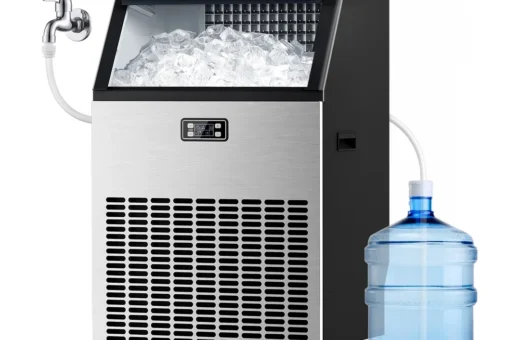
    A machine may produce ice continuously throughout the day, which means water quality, airflow, cleanliness and operating temperature all affect performance. If any of those factors are out of balance, production can slow down or the quality of the ice can change.

    Professional commercial ice maker services can help businesses keep these machines operating properly through inspection, cleaning, troubleshooting and repairs. This becomes especially important for restaurants, hotels, bars, healthcare facilities and other businesses where a reliable ice supply isn’t optional.

    Sometimes the problem is obvious. Other times, the machine simply starts making less ice than usual. That’s often the first clue that something needs attention.

    Not All Ice Machines Are the Same

    There are different types of commercial ice makers, and each has its own strengths and maintenance requirements.

    Some produce cube-shaped ice, while others make flake or nugget-style ice. The right choice depends on how the business uses ice.

    A cocktail bar may have very different needs from a seafood display or a fast-casual restaurant. Production capacity matters too. A machine that works perfectly for a small café may struggle badly in a busy hotel during a weekend event.

    When choosing commercial ice machines, businesses should consider daily ice demand, available space, water supply, drainage, ventilation and ease of cleaning.

    It’s tempting to focus only on production capacity and price, but that’s not the whole picture. Energy consumption, maintenance requirements and available service support can have a bigger effect on long-term costs than the initial purchase price.

    Clean Ice Is Part of Good Food Service

    Nobody wants to think about what might be growing inside an ice machine.

    But cleanliness matters.

    Ice is consumed directly, so the equipment that produces and stores it needs appropriate cleaning and sanitizing. Mineral deposits, scale, mold and other contaminants can develop when machines aren’t maintained correctly.

    Staff should follow the manufacturer’s cleaning recommendations and the applicable food-safety procedures for the business. A professional technician can also inspect components that aren’t easily reached during routine cleaning.

    This isn’t about being overly cautious. It’s basic hygiene, and customers reasonably expect it.

    Refrigeration Problems Often Start Quietly

    Refrigerators and freezers don’t always fail with a dramatic warning. More commonly, performance gradually changes.

    A unit may start running for longer periods. Food feels warmer than usual. Frost appears in an unusual location. The compressor seems louder. Or employees notice water collecting around the equipment.

    These signs are easy to overlook because the system is still technically working.

    But refrigeration equipment that struggles to maintain temperature may be consuming more energy and putting additional stress on its components.

    That makes early inspection worthwhile. A small issue with a door gasket, condenser coil, fan or temperature control can affect the system’s overall performance.

    Give Refrigeration Units Room to Breathe

    One surprisingly common mistake is blocking the ventilation around refrigeration equipment.

    Commercial refrigeration units generate heat as part of the cooling process. They need appropriate airflow to release that heat efficiently. If equipment is pushed too tightly against a wall or surrounded by boxes and other objects, the system may have to work harder.

    Restaurants can be especially challenging environments. Kitchens are warm, busy and sometimes greasy. Dust and grease can collect around condenser components, restricting airflow and reducing efficiency.

    Keeping the area around equipment clear and following the manufacturer’s clearance requirements is a simple habit that can prevent unnecessary strain.

    Temperature Monitoring Is Worth the Effort

    A thermometer should never be an afterthought in a commercial kitchen.

    Regular temperature checks help staff notice problems before they become obvious failures. If a refrigerator normally stays within a certain range and suddenly begins drifting upward, that change deserves attention.

    Automated temperature monitoring can provide another layer of protection for businesses that store large quantities of perishable products. Alerts can notify staff when temperatures move outside a predetermined range, allowing them to respond sooner.

    Technology isn’t a substitute for maintenance, but it can be a useful early-warning system.

    Don’t Wait for a Busy Service to Discover a Problem

    Equipment failures have terrible timing.

    An ice machine doesn’t seem to care that Saturday night is your busiest shift. A freezer won’t politely wait until the kitchen is quiet before developing a fault.

    That’s why scheduled inspections can be so valuable. Maintenance gives technicians an opportunity to identify worn components, clean critical areas and check whether equipment is operating as expected.

    For heavily used machines, planned maintenance can also make costs easier to manage. Instead of constantly reacting to emergencies, businesses can address issues during quieter periods whenever possible.

    Repair or Replace?

    Eventually, even well-maintained equipment gets old.

    If an ice maker or refrigeration system needs frequent repairs, struggles to maintain temperature or consumes significantly more energy than newer equipment, replacement may be worth considering.

    But don’t assume every older machine needs to be replaced. Sometimes a relatively inexpensive repair can extend its useful life for several more years.

    The decision should take the equipment’s age, repair history, efficiency and expected remaining lifespan into account. A good technician can help make that comparison rather than simply pushing for a new purchase.

    Train the People Using the Equipment

    Equipment maintenance isn’t only the technician’s responsibility.

    Kitchen staff should know the basics: don’t leave refrigerator doors open unnecessarily, don’t overload storage areas, keep vents clear and report unusual sounds or temperature changes.

    Those small habits matter because commercial equipment is used constantly. Even excellent equipment can struggle if it’s routinely operated in ways that restrict airflow or increase heat gain.

    A five-minute staff conversation can sometimes prevent a surprisingly expensive problem.

    Reliable Equipment Keeps Business Moving

    Ice makers and refrigeration systems aren’t glamorous. Customers don’t walk into a restaurant and compliment the condenser coil.

    They do, however, notice when drinks aren’t cold, food isn’t stored properly or service is disrupted.

    That’s why keeping commercial cooling equipment in good condition is really about protecting the bigger operation. Regular cleaning, sensible use, temperature monitoring and timely professional service can reduce avoidable breakdowns and help equipment last longer.

    There will always be unexpected failures. That’s just part of running a business. But there’s a big difference between an unavoidable problem and one that could have been spotted weeks earlier.

    Take care of the equipment when it’s working, pay attention when something changes, and don’t wait until there’s no ice left to realize how important that little machine really is.

  • Understanding Common Water Problems and Practical Ways to Solve Them

    Understanding Common Water Problems and Practical Ways to Solve Them

    Water plays a role in almost every part of daily life. We drink it, cook with it, wash clothes in it, shower with it, and use it to keep our homes clean. So, when something seems wrong with the water supply, the inconvenience can quickly become frustrating. A strange smell from the kitchen tap, cloudy water in a glass, or marks appearing on bathroom fixtures may seem like minor issues, but they often point to underlying water-quality concerns.

    The good news is that many household water issues can be identified and managed with the right information. Understanding the source of the problem is the first step. From there, water testing and an appropriate treatment solution can help restore water quality and protect plumbing, appliances, and everyday comfort.

    Recognizing Common Water Problems

    Some common water problems are easy to notice, while others develop quietly over time. Taste and odor changes are among the most frequently reported concerns. Water may smell like chlorine, sulfur, or rotten eggs, depending on its source and the substances present.

    Cloudiness can also raise questions. Sometimes, cloudy water is caused by tiny air bubbles that disappear after the water sits for a short period. In other cases, it may be linked to sediment, minerals, or plumbing issues. Discoloration, unusual particles, or a sudden change in water appearance should not be ignored, especially if the problem continues.

    Low water pressure is another concern. It may result from clogged filters, mineral buildup, damaged pipes, or a problem with the municipal supply. If the pressure changes suddenly, it’s worth checking whether the issue affects the whole property or only one fixture.

    What Causes Hard Water?

    One of the most widespread water-quality concerns is hard water. It occurs when water contains elevated levels of naturally occurring minerals, particularly calcium and magnesium. These minerals are not usually considered dangerous at typical levels, but they can create several practical problems around the home.

    Hard water often leaves a chalky residue on faucets, shower doors, sinks, and tiles. Soap may not lather as easily, and laundry can feel stiff or look dull after washing. Over time, mineral deposits may accumulate inside water heaters, dishwashers, washing machines, and plumbing lines.

    Many homeowners notice hard water because of scale buildup around the showerhead or a white ring inside a kettle. Others may notice that their skin feels dry after bathing or that shampoo seems difficult to rinse away. These experiences can vary, but they are common reasons people investigate their water hardness.

    A water test can determine the actual mineral level instead of relying only on visible signs. Once the hardness level is known, a water professional can recommend whether a softener or another conditioning method is appropriate.

    Dealing With Iron and Rust Stains

    Reddish-orange marks around sinks, toilets, bathtubs, and laundry areas are often associated with iron & rust stains. These stains can be especially common in homes supplied by private wells, although iron-related discoloration may also appear in other water systems.

    Iron can enter water naturally as it moves through soil and rock. In some cases, it remains dissolved and causes water to appear clear at first, then develop a rusty color after exposure to air. In other situations, iron particles may already be visible when the water comes from the tap.

    The problem is more than cosmetic. Iron can stain light-colored clothing, clog certain components, affect taste, and create an environment where deposits accumulate inside plumbing. Standard water softeners may help with some forms of iron, but they are not designed to address every iron condition.

    Treatment depends on the type and concentration of iron present. Options may include specialized iron filters, oxidation systems, sediment filtration, or other treatment methods. Testing is important because the wrong equipment may reduce the problem only temporarily.

    Unpleasant Taste and Odor

    Taste and odor issues can make otherwise usable water difficult to enjoy. Chlorine, for example, is commonly used to disinfect public water supplies, but some people dislike its smell or flavor. Activated carbon filtration is often used to reduce chlorine taste and odor.

    A rotten-egg smell may be linked to hydrogen sulfide, which can occur in groundwater or plumbing systems. This type of odor may require a more specific treatment approach, especially when it is persistent or accompanied by other water-quality changes.

    Organic matter, stagnant plumbing, and certain minerals can also affect taste. If the smell appears suddenly, it is sensible to investigate rather than immediately assuming the cause. A water test can help distinguish between a harmless aesthetic concern and a problem that requires further attention.

    Sediment and Cloudy Water

    Sediment may include sand, silt, clay, or other small particles entering the water supply. It can be more noticeable after plumbing repairs, heavy rainfall, well-pump activity, or changes in water pressure.

    While a small amount of sediment may not always indicate a serious problem, it can damage fixtures and reduce the lifespan of water-using appliances. Sediment can also clog faucet aerators and water filters, leading to lower flow.

    A sediment filter is often used as an initial treatment step. These filters capture particles before water moves into other treatment equipment. However, they must be selected according to the size and amount of sediment present. A filter that is too small may clog quickly, while one that is poorly matched to the system may not provide sufficient protection.

    Why Water Testing Should Come First

    It’s tempting to purchase a treatment product based on a symptom alone. A person sees scale and buys a softener, or notices orange stains and chooses a general filter. Sometimes that works, but guessing can lead to unnecessary expense.

    Water testing provides a clearer picture of what is actually present. Depending on the situation, testing may examine hardness, iron, manganese, pH, chlorine, total dissolved solids, bacteria, nitrates, or other contaminants.

    For private well owners, testing is especially important because groundwater quality can vary by location and season. Municipal water users may also benefit from testing when they notice changes inside the home or want to understand how their plumbing affects water quality.

    The results should be interpreted carefully. Not every detected substance requires the same treatment, and a system should be selected according to the water chemistry, household usage, and intended purpose.

    Protecting Plumbing and Appliances

    Water-quality issues can affect more than drinking and bathing. Mineral deposits may reduce the efficiency of water heaters and increase energy use. Sediment can interfere with valves and cartridges. Iron deposits may discolor fixtures and create maintenance challenges.

    Protecting appliances often starts with whole-house treatment or point-of-use filtration, depending on the problem. A water softener may help reduce scale-forming minerals, while a sediment or carbon filter may address particles and taste concerns. Reverse osmosis may be suitable for specific drinking-water needs when properly selected and maintained.

    No single system solves every water issue. The most effective setup is usually the one based on actual test results rather than marketing claims.

    A Better Approach to Water Quality

    Water problems can be frustrating, but they don’t have to become permanent household headaches. The important thing is to pay attention to changes, identify the likely cause, and avoid treating symptoms without understanding the source.

    Regular inspections, timely filter replacement, and professional advice can help keep water treatment equipment working properly. If stains return quickly, odors persist, or water quality changes without explanation, further testing may be necessary.

    Clean, dependable water supports comfort, protects household equipment, and makes everyday tasks easier. With a thoughtful approach and the right treatment solution, many water-quality concerns can be managed effectively—without guesswork, unnecessary spending, or constant frustration.

  • How to Build a Responsible Guest Posting Strategy for Brand Visibility

    Guest posting remains one of the practical ways for businesses, professionals, and growing websites to reach relevant new readers. It involves writing a useful article for another website and, where appropriate, including a contextual mention of the author or business. Done properly, it is not simply a link-building exercise. It is a content and relationship strategy that can improve visibility, demonstrate expertise, and introduce a brand to people who may genuinely benefit from its products or services.

    Start With a Clear Purpose

    Before approaching publishers, decide what the campaign is meant to achieve. A business may want to become better known in a specific industry, support the launch of a service, bring referral visitors to a useful resource, or strengthen trust in its expertise. Each goal affects the type of site and article that will be suitable.

    For example, a local interior designer may benefit from contributing practical advice to a home improvement blog, while a software consultant may be better placed on a business, technology, or productivity publication. A broad website with no connection to the subject may offer little value, even if it appears to have a large audience.

    Clear goals also prevent poor decisions. If the only aim is to place as many links as possible, content quality and audience fit are often ignored. This can lead to articles that feel unnatural, fail to attract readers, and do not represent the business well.

    Choose Relevant Websites Carefully

    Relevance should be the first consideration when selecting a guest-posting opportunity. Read several existing articles on the website. Look at the topics it covers, the level of detail its audience expects, and whether the site publishes consistently. A good placement should make sense to a regular reader of that publication.

    It is also useful to consider the following points:

    • Audience match: The publication should reach people who may be interested in your knowledge, service, or resource.
    • Editorial standards: Look for clear writing, original posts, accurate information, and sensible formatting.
    • Topical consistency: A website that covers every unrelated subject without editorial direction may not be a strong long-term choice.
    • Real engagement: Signs such as thoughtful comments, social activity, and regularly updated pages can indicate an active readership.
    • Transparency: The publisher should have understandable publishing requirements and communicate clearly about what is included.

    Finding relevant publishers manually can take considerable time. Businesses that need help identifying suitable placements can compare options through services that allow them to purchase guest posts, but the final choice should still be based on subject relevance, editorial quality, and the value offered to readers.

    Create an Article That Deserves Attention

    The strongest guest articles solve a specific problem. They do not spend every paragraph explaining why a company is excellent. Instead, they provide information that readers can use immediately. This could be a step-by-step process, a checklist, a comparison of common options, or lessons drawn from real professional experience.

    Start by studying the host website’s writing style. Some websites favour short, direct sections, while others publish in-depth guides. Match the general tone without copying existing articles. A guest post should fit naturally on the site while still bringing a fresh perspective.

    Use a Simple Structure

    An organised article is easier to read and more likely to be useful. Begin with a short introduction that explains why the subject matters. Then use clear headings to divide the main points. Each section should answer one question or give one actionable recommendation. Finish by summarising the key lesson rather than adding an exaggerated sales message.

    Lists are especially helpful when explaining processes. For instance, an effective article outline may follow these steps:

    1. Identify a common reader challenge.
    2. Explain why the challenge occurs.
    3. Provide practical actions to address it.
    4. Include examples or limitations where necessary.
    5. Offer a concise conclusion that reinforces the main idea.

    This approach helps the publisher because it provides a finished, reader-friendly contribution. It also helps the author because readers are more likely to remember useful advice than generic promotional statements.

    Place Links With Context

    A link should support the reader’s understanding of the topic. It may lead to a detailed guide, an original study, a service page that directly answers the problem discussed, or a relevant product category. The surrounding sentence should explain what the reader will find after clicking.

    Avoid forcing links into unrelated sentences or repeating the same phrase throughout an article. One well-placed, relevant link is generally more credible than several distracting ones. It is also important to respect the publisher’s editorial policy and any advertising or disclosure rules that apply in its location.

    Communicate Professionally With Editors

    Editors receive many pitches, so concise communication makes a difference. Introduce yourself or your business briefly, explain why the proposed topic fits their readers, and offer a few original headline ideas. Do not send the same generic email to every site. A personalised proposal shows that you have actually read the publication.

    Once a topic is accepted, follow the agreed brief, word count, formatting rules, and deadline. Check spelling, facts, names, and links before submission. If an editor requests revisions, respond constructively. Their feedback usually comes from understanding their audience and publication standards.

    Measure Results Beyond Rankings

    Guest posting should be reviewed as part of a wider marketing effort. Track referral visits from the article, time spent on the destination page, enquiries, newsletter subscriptions, and mentions from other websites or social platforms. These indicators reveal whether the post reached an interested audience.

    It is also worth reviewing which topics and publications create the most meaningful response. A smaller specialist website may produce better enquiries than a large general publication because its readers are closer to the intended audience. Over time, this information helps refine future pitches and content ideas.

    Build a Long-Term Publishing Approach

    Guest posting works best when it is consistent, selective, and useful. Focus on publications that align with your field, contribute articles that readers can learn from, and treat editors as professional partners. A thoughtful strategy can build awareness gradually while supporting a reputation for knowledge and reliability. In the long run, the quality of the contribution matters far more than the number of placements achieved.

  • What to Know Before Choosing a Water Filtration Service in Southern California

    What to Know Before Choosing a Water Filtration Service in Southern California

    Water is one of those everyday things we tend to take for granted. Turn on the kitchen faucet, fill a glass, and move on with your morning. But when the taste changes, spots start appearing on fixtures, or the water leaves you wondering what’s actually coming through the pipes, it suddenly gets your attention.

    For homeowners, choosing the right water filtration services isn’t simply about buying a filter and hoping for the best. Water quality can vary from one property to another, and the system that works beautifully for one household may not be the right fit for the next. A little research, along with proper water testing, can make the whole process much easier.

    Why Water Quality Can Be Different From Home to Home

    Even neighbors living a few streets apart can experience noticeable differences in their water. Municipal treatment, local plumbing infrastructure, groundwater conditions, and the age of a home’s pipes can all influence what comes out of a faucet.

    Some households mainly notice chlorine taste or odor. Others deal with sediment, mineral buildup, or hard water. Private well owners may have an entirely different set of concerns.

    That’s why it’s risky to choose a filtration system based solely on what a friend or relative installed. Their water isn’t necessarily your water.

    A proper assessment can identify what you’re actually dealing with. Once you know that, selecting filtration technology becomes less of a guessing game.

    Living With Water in Southern California

    For people living in southern california, water quality and conservation often go hand in hand. The region’s climate, infrastructure, and diverse water sources make responsible water use an important part of everyday life.

    But conserving water doesn’t mean you have to ignore its quality.

    A filtration system can be designed to address specific concerns while still allowing a household to use water normally. The key is matching the treatment method to the problem rather than installing equipment simply because it happens to be popular.

    This is particularly important with larger whole-home systems. They’re an investment, so homeowners should understand what the system is designed to remove, how often components need servicing, and what ongoing costs to expect.

    Testing Comes Before Guessing

    One of the most useful steps before choosing filtration equipment is testing the water.

    It sounds obvious, but it’s often skipped. Homeowners may see white residue around faucets and immediately assume they need a particular treatment system. Someone else might taste chlorine and purchase a filter without checking whether there are other water-quality concerns.

    Testing provides a clearer starting point.

    Depending on the source and situation, testing may look at factors such as hardness, pH, chlorine, sediment, dissolved minerals, or other contaminants. Private well water can require additional testing.

    The results don’t have to be intimidating. A qualified water professional can explain what the numbers mean and which treatment options are actually relevant.

    Not Every Filter Does the Same Job

    There’s a tendency to think of “water filtration” as one universal process. It isn’t.

    Sediment filters, carbon filters, reverse osmosis systems, water softeners, and other treatment technologies work in different ways. Some target particles. Others reduce certain chemicals, dissolved substances, or minerals.

    For example, a carbon filter may be useful for improving taste and reducing certain odors, while a softener is designed primarily to address hardness. Reverse osmosis can provide a more intensive treatment approach for drinking water, but it also produces wastewater and requires regular maintenance.

    In other words, bigger isn’t automatically better.

    The best system is the one that addresses the actual issue without creating unnecessary complexity or expense.

    Maintenance Is Part of the Deal

    Buying a filtration system is only the beginning.

    Filters need replacement. Some equipment needs cleaning or inspection. Connections can loosen, components can wear, and performance can gradually decline. A system that’s neglected for years may not provide the results homeowners expect from it.

    This is where routine professional service becomes worthwhile. Maintenance can help identify worn parts and keep the system operating properly.

    It’s also a good opportunity to ask questions. How often should the filter be replaced? What happens if water pressure changes? Are there signs that indicate the system needs attention sooner than expected?

    Knowing the answers means you’re less likely to be caught off guard.

    Think About the Whole Household

    When evaluating filtration, consider how your family actually uses water.

    If your main concern is drinking and cooking, a point-of-use system might be sufficient. If you’re concerned about water throughout the property, a whole-house approach may make more sense.

    Think about showers, laundry, dishwashing, appliances, and outdoor use. You don’t necessarily need every drop of water treated in exactly the same way.

    There’s also the question of household size. A filtration system needs to keep up with demand. A system that’s perfectly adequate for one or two people might feel undersized in a busy household with several bathrooms.

    These practical details matter more than flashy specifications.

    Finding a Provider That Understands Your Area

    Local knowledge can be surprisingly valuable when you’re dealing with water treatment. A provider familiar with your community may already understand common water-quality concerns, local conditions, and the types of systems homeowners tend to use.

    Before hiring anyone, ask about experience, maintenance requirements, warranties, and what happens if the equipment needs repair.

    Don’t be afraid to ask for an explanation in plain English. If someone can’t clearly explain why they’re recommending a particular system, that’s worth considering before signing anything.

    And look beyond the initial installation price. A cheaper system that requires frequent replacement or difficult-to-find parts may cost more over time.

    Understanding the Areas a Provider Actually Covers

    It’s also smart to check the areas we serve before scheduling an appointment. Service boundaries can affect response times, maintenance availability, and whether a company can provide ongoing support after installation.

    That matters because filtration isn’t a one-and-done purchase. If the system needs attention six months later, you want to know that help is reasonably accessible.

    A provider that offers installation, maintenance, troubleshooting, and replacement services can be more convenient than juggling several companies.

    Better Water Starts With Better Decisions

    Choosing a water filtration system doesn’t need to become a complicated research project. Start with the water itself. Test it, understand the results, and then look at treatment options that solve the specific problem.

    Just as importantly, think beyond installation. Good equipment needs sensible maintenance, and a good service provider should be willing to explain what your system needs over the years.

    Clean, pleasant-tasting water is something most households appreciate every single day. The goal isn’t to chase the most advanced technology or spend money on equipment you don’t need. It’s to find a practical solution that fits your home’s water, your family’s habits, and your budget.

    Do that, and water filtration becomes what it should be: a quiet improvement to everyday life, working in the background without demanding much attention.

  • When You Need Storage: Bridging the Gap Between Two Homes

    When You Need Storage: Bridging the Gap Between Two Homes

    Not every move goes from one front door directly to another. Sometimes there’s a gap — a week, a month, occasionally longer — between leaving your current property and getting the keys to the next one. That gap creates a genuine logistical question: where does everything go in the meantime? This guide looks at how storage fits into a house move, when it’s worth arranging, and how to choose the right option without overpaying or ending up with belongings you can’t easily access.

    Why Gaps Between Moves Happen So Often

    Property chains, rental turnaround times, and renovation schedules all create situations where your move-out date and move-in date simply don’t align. Sometimes it’s planned in advance; other times it emerges unexpectedly when a completion date shifts or a new tenancy can’t start as early as hoped.

    Whatever the cause, having a clear plan for storage before you’re in the middle of moving day makes an enormous difference to how smoothly the transition goes. Scrambling to find a solution at the last minute tends to cost more and offer fewer options than planning ahead.

    Types of Storage Worth Considering

    Not all storage works the same way, and understanding the options helps you choose based on what you’re actually storing and for how long.

    Self-Storage Units

    These give you direct access to your belongings whenever needed, usually within business hours, and come in a range of sizes. They suit situations where you might need to retrieve specific items during the storage period, rather than leaving everything sealed away entirely.

    Removal Company Storage

    Many removal firms offer their own storage facilities, often as part of a combined moving and storage package. This can simplify logistics considerably, since your belongings are loaded once, stored, and then delivered directly to your new address without needing a separate handover between different companies.

    Portable Storage Containers

    Some companies deliver a container to your property, which you fill yourself or with help, and it’s then transported to a secure storage facility. This can work well for people who want more control over the loading process without hiring full-service movers for that stage.

    A company offering Professional Removals Brighton services with an in-house storage option often makes sense for anyone dealing with a gap between properties locally, since it avoids the complexity of coordinating handovers between separate removal and storage providers.

    How to Decide How Much Storage You Need

    Estimating storage size accurately avoids paying for space you don’t use, or worse, discovering your unit is too small halfway through loading.

    A few practical guidelines:

    • A one-bedroom flat’s worth of belongings typically needs a small to medium unit.
    • A three-bedroom house usually requires a considerably larger space, particularly if garden furniture, garage contents, or larger appliances are included.
    • Partial storage, where only some items need storing while others move directly to temporary accommodation, often needs less space than people initially assume.

    Most storage providers offer general size guides based on typical household volumes, but if you’re unsure, asking for an assessment based on your specific inventory avoids guesswork.

    What to Store and What to Keep With You

    Not everything needs to go into storage, and thinking this through in advance saves considerable hassle later.

    Keep accessible or with you:

    • Daily essentials — clothing, toiletries, chargers
    • Important documents and identification
    • Items you’ll need during the gap period, such as work equipment or specific seasonal clothing
    • Valuables and sentimental items you’d rather not leave in storage unnecessarily

    Reasonable to store:

    • Furniture not needed during a temporary stay elsewhere
    • Seasonal items, decorations, or equipment
    • Boxes of books, kitchenware, or belongings you won’t need short-term
    • Larger appliances if your temporary accommodation doesn’t require them

    Packing with this distinction in mind from the start, rather than sorting it out during a rushed moving day, makes both the storage period and eventual unpacking considerably smoother.

    Questions to Ask a Storage Provider

    Before committing to any storage option, a few direct questions help avoid problems later.

    1. Is the facility climate-controlled, particularly relevant for wooden furniture or electronics?
    2. What security measures are in place — CCTV, access control, alarm systems?
    3. Is insurance included, or does it need arranging separately?
    4. How accessible is the unit — during business hours only, or with more flexible access?
    5. What’s the minimum storage period, and how does pricing change for shorter or longer durations?

    A transparent provider answers these clearly and doesn’t hesitate to explain their security or insurance arrangements in detail.

    Storage Considerations in Busy City Areas

    Storage logistics can look different in cities compared to more rural or suburban areas, particularly around access and cost. Facilities in high-demand urban locations sometimes carry a premium compared to those slightly further out, and access logistics — parking for drop-off and collection, for instance — can matter more in a dense city environment.

    For anyone arranging storage as part of a move involving Removals Chelsea UK services, it’s worth checking whether the storage facility is genuinely local or whether belongings need transporting some distance to reach it, since this affects both cost and how easily you can access your items during the gap period. A removal company offering integrated storage close to the collection point often simplifies this considerably compared to arranging a separate, more distant facility independently.

    Practical Tips for Storing Belongings Successfully

    • Label every box clearly, even for temporary storage, since it makes both loading and eventual retrieval far easier.
    • Create a simple inventory list, particularly for longer storage periods, so you know exactly what’s stored where.
    • Avoid storing anything perishable, flammable, or otherwise unsuitable for a storage unit, checking your provider’s specific restrictions beforehand.
    • Disassemble larger furniture where practical, both to save space and reduce the risk of damage during loading and unloading.
    • Consider photographing valuable items before storage, useful for insurance purposes if anything is ever damaged or goes missing.

    Common Mistakes People Make With Moving Storage

    • Underestimating how much space is needed, leading to a cramped, poorly organised unit.
    • Not checking insurance coverage, assuming it’s automatically included when it sometimes isn’t.
    • Storing items that need climate control in a standard unit, risking damage to wood, electronics, or fabric over time.
    • Forgetting what’s in storage, particularly for longer gaps, due to poor labelling or no inventory list.
    • Choosing based on price alone, without checking security standards or accessibility.

    Frequently Asked Questions

    How long can I typically keep belongings in storage during a move?

    This varies by provider, but most storage facilities offer flexible terms ranging from a few weeks to several months, with pricing often adjusted for longer commitments.

    Is storage insurance included automatically?

    Not always. It’s worth confirming directly with your provider, since some include basic coverage while others require it to be arranged separately.

    What items shouldn’t go into storage?

    Perishable goods, flammable substances, and certain hazardous materials are typically excluded. Always check your specific provider’s list of restricted items before packing.

    Is it cheaper to use a removal company’s storage or a separate facility?

    This depends on the provider and your specific situation, but combined removal and storage packages can sometimes simplify logistics and reduce costs compared to coordinating two separate companies.

    How do I access my belongings once they’re in storage?

    This depends on the type of facility. Self-storage units typically offer access during business hours, while some removal company storage may require advance notice to retrieve specific items.

    What size storage unit do I need for a house move?

    This depends on the volume of your belongings, but most providers offer sizing guides or assessments based on your property size and inventory to help you choose appropriately.

    Storage isn’t something most people think about until they need it, but planning for it early, particularly if there’s any chance of a gap between properties, avoids unnecessary stress later. Choose a provider with clear security and insurance details, pack thoughtfully with accessibility in mind, and the bridge between two homes becomes a manageable pause rather than a logistical headache.