

Electricity is one of those things we rarely think about until something stops working. The lights flicker while you’re cooking dinner, a breaker trips just as you start the washing machine, or an outlet suddenly feels warm to the touch. These little moments can be frustrating, but they can also signal that your home’s electrical system needs attention.
A safe, dependable electrical setup does more than keep the lights on. It protects appliances, supports modern technology, and helps your household run without unnecessary interruptions. Whether you’re updating an older property, adding new equipment, or dealing with an unexpected fault, understanding your electrical needs can help you make better decisions.
Recognizing When Your Electrical System Needs Attention
Electrical systems don’t always fail without warning. In many cases, they show small signs that something isn’t quite right. Lights that repeatedly flicker, breakers that trip frequently, buzzing sounds near outlets, or a persistent burning smell deserve attention.
A single tripped breaker may simply mean that too many appliances were running on one circuit. However, repeated trips can point to an overloaded circuit, a short circuit, or another underlying problem. Resetting the breaker over and over without identifying the cause isn’t a safe long-term solution.
Pay attention to outlets and switches, too. Discoloration, crackling noises, loose connections, or unusual heat can indicate a potentially dangerous fault. Stop using the affected outlet and arrange an inspection by a qualified electrician.
Never ignore a burning smell around electrical equipment, and don’t attempt to investigate exposed wiring yourself. If you see smoke, sparks, or signs of fire, keep your distance, evacuate if necessary, and contact emergency services. Electricity is not an area where a quick DIY fix is worth the risk.
Why Older Homes May Need More Than Minor Repairs
Older houses often have plenty of character, but their electrical systems may not have been designed for today’s demands. Years ago, a typical home used fewer high-powered appliances and had far fewer electronic devices. Today, families may run air conditioners, induction cooktops, computers, washing machines, and entertainment systems at the same time.
An outdated electrical system may struggle to accommodate this demand, especially if circuits have been modified repeatedly over the years. Aging insulation, deteriorating connections, insufficient grounding, and outdated protective devices can also raise safety concerns.
In some properties, whole-home rewiring may be worth considering when wiring is deteriorated, unsafe, or unsuitable for the household’s needs. The decision should follow a professional assessment rather than assumptions based only on a home’s age.
Rewiring can involve replacing old cables, improving circuit arrangements, updating outlets and switches, and ensuring the system meets applicable electrical codes. It’s a substantial project, and it may require opening parts of walls or ceilings, so planning matters.
Ask the electrician to explain the inspection findings, which areas require attention, and whether the work can be completed in stages. A clear plan makes it easier to prepare your home, manage costs, and understand what the finished system will provide.
Preparing Your Home for Electric Vehicle Charging
Electric vehicles are becoming a practical option for more households. Charging at home can be convenient, particularly when you can plug in after work and start the next morning with a charged battery. Still, installing a charging point involves more than choosing a spot in the garage.
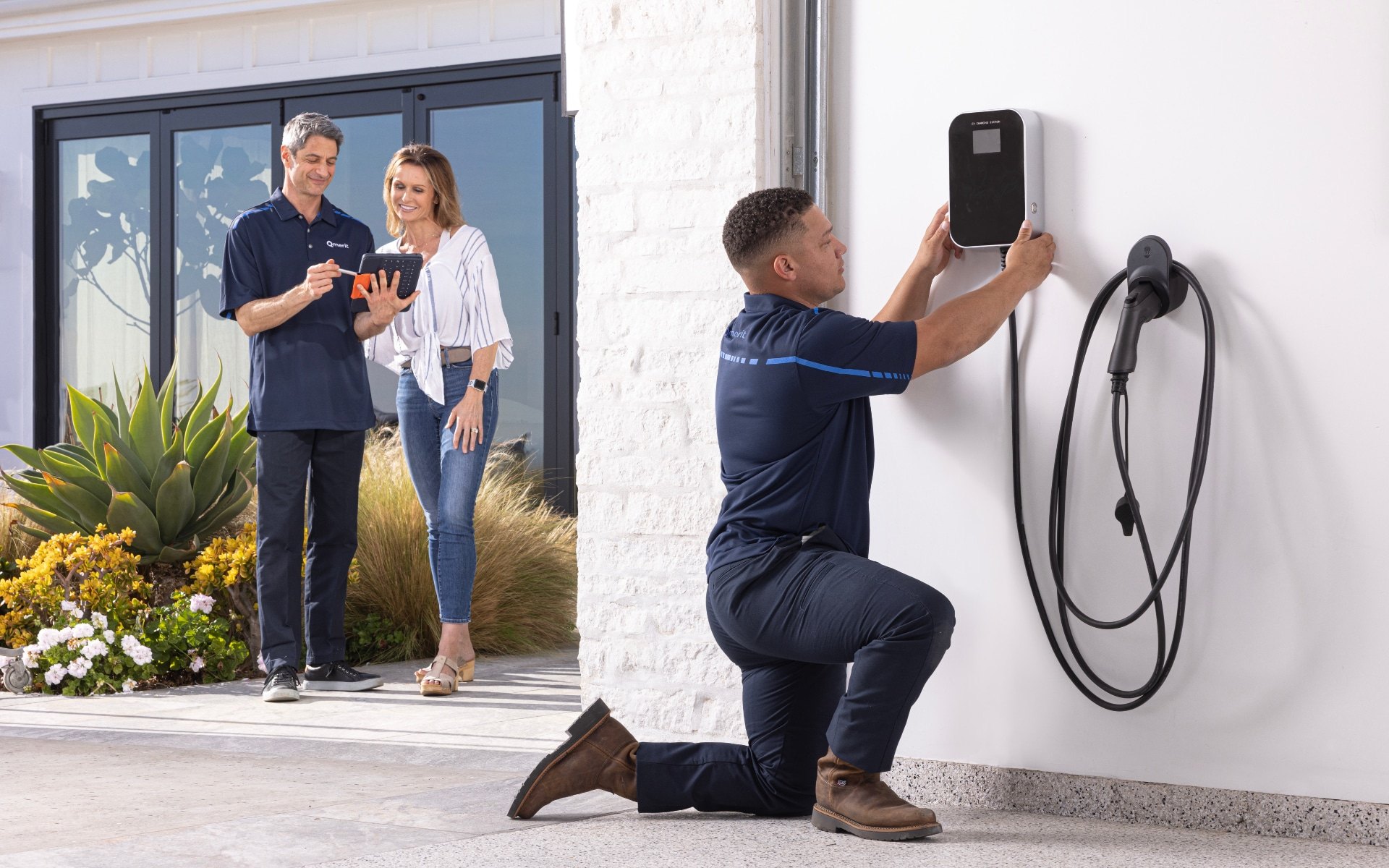
Before arranging ev charger installation, have a qualified electrician assess the home’s electrical capacity, existing circuits, earthing arrangements, and available space in the distribution board. The right setup depends on the vehicle, charger specifications, household electricity supply, and local regulations.
A dedicated charging circuit is generally important for a suitable home charging system. The electrician can determine whether the existing supply is adequate or whether upgrades are needed. Protective devices must also be selected and installed according to the charger manufacturer’s instructions and applicable electrical standards.
Location is another practical consideration. A charger should be positioned where the cable can reach the vehicle without creating a trip hazard or being stretched across a walkway. Outdoor installations require equipment rated for the environment and installed with appropriate protection against moisture.
Think about future needs, too. You may eventually change vehicles or add another electric car to the household. Discussing those possibilities early can help you avoid unnecessary modifications later.
Never use damaged cables, unsuitable extension leads, or improvised connections to charge an electric vehicle. A properly designed charging arrangement is safer and more reliable than a makeshift alternative.
Understanding the Importance of Electrical Maintenance
Most homeowners don’t need to schedule constant electrical work, but periodic checks can help identify developing problems. This is particularly useful after renovations, when adding major appliances, or when moving into an older property.
An electrician can inspect accessible wiring, outlets, switches, protective devices, and the distribution board. They may also check whether circuits are appropriately rated for the equipment connected to them. The exact inspection depends on the property’s condition and local requirements.
Maintenance also includes everyday awareness. Avoid overloading power strips, keep electrical equipment away from water, and replace damaged cords rather than wrapping them in temporary tape. Make sure appliances have adequate ventilation, especially those that generate heat.
If you’re planning a kitchen renovation, converting a spare room into an office, or installing air conditioning, bring an electrician into the planning process early. New equipment can place additional demand on existing circuits, and it is much easier to address that before the walls are finished.
Electrical safety isn’t only about preventing dramatic accidents. It’s also about reducing small risks that can quietly build up over time.
What to Do When an Electrical Problem Happens Suddenly
Electrical faults don’t always arrive at a convenient time. A partial power loss, a failed circuit, or a damaged connection can disrupt work, affect essential equipment, and leave a household wondering what to do next.
In these situations, emergency electrical repairs may be necessary to identify the fault and make the affected area safe. A qualified electrician can investigate the problem, determine whether the supply needs to be isolated, and explain what repairs are required.
While waiting for assistance, avoid touching damaged wiring or electrical equipment that may be wet. If you can safely identify the relevant circuit breaker without approaching a hazard, switching it off may help isolate the problem. Don’t enter flooded areas where electrical equipment may be energized.
If you suspect a problem with the utility supply, contact your electricity provider as well. Some faults occur outside the home and need attention from the utility company rather than an electrician working on the property’s internal wiring.
When requesting service, describe what happened, whether the issue affects one room or the entire property, and whether there were any sparks, unusual smells, or sounds. Accurate details can help the electrician prepare for the visit.
Choosing an Electrician You Can Trust
Electrical work requires technical knowledge, careful workmanship, and an understanding of the rules that apply in your area. Choosing a qualified professional is therefore about much more than finding the lowest quote.
Check relevant licensing or registration requirements, insurance, experience, and customer feedback. If you need a specialist service, such as charging equipment or major rewiring, ask about similar projects the electrician has completed.
A good professional should explain the issue in straightforward language, outline the proposed work, and provide clear information about costs and timing. Be cautious if someone dismisses safety concerns, recommends major upgrades without explaining the reasons, or pressures you into making an immediate decision.
Before work begins, ask whether permits or inspections are required and whether the completed installation will come with relevant documentation or warranties. These details help you understand what you’re paying for and provide useful records for future maintenance.
Planning Ahead for a Safer, More Comfortable Home
A reliable electrical system supports nearly everything we do at home, from preparing meals to working remotely and charging a vehicle. Giving it proper attention can prevent disruption and help protect your property and family.
Start by taking warning signs seriously, arranging professional inspections when appropriate, and planning electrical upgrades around your actual needs. If you’re renovating or adding powerful new equipment, don’t assume the existing system can handle it without an assessment.
Most importantly, leave electrical repairs and installations to appropriately qualified professionals. A little planning today can prevent costly surprises tomorrow and give you greater confidence in the safety of your home.