

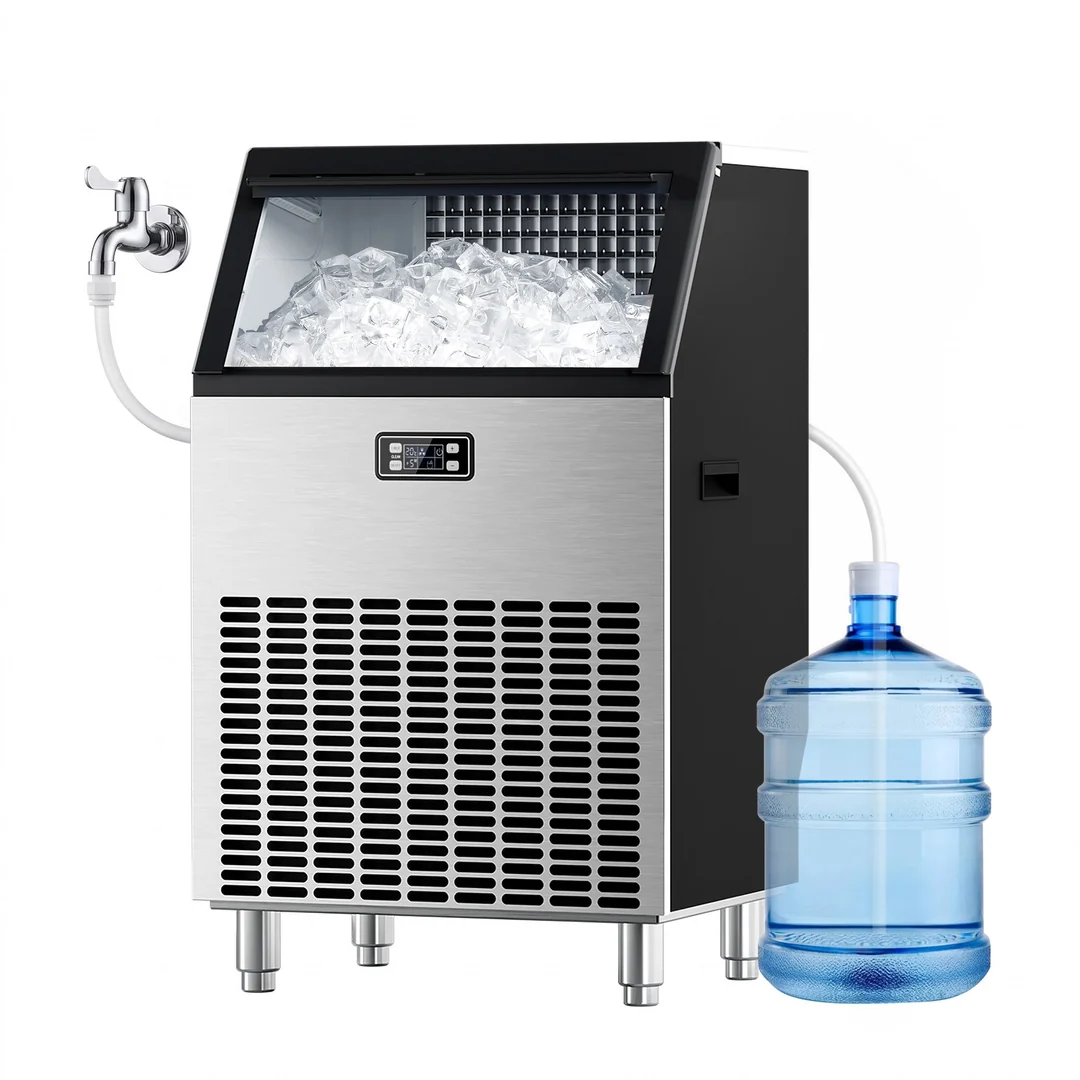
In a busy restaurant or café, ice has a funny way of becoming everyone’s problem when there isn’t enough of it.
A few warm drinks. A packed lunch shift. Customers asking for iced water. Suddenly, the machine that quietly makes ice all day becomes one of the most important pieces of equipment in the building. The same goes for refrigeration. If food isn’t kept at the right temperature, a small equipment problem can turn into spoiled inventory, wasted money and a very stressful afternoon.
Commercial kitchens depend on cold equipment far more than most customers realize. Behind the scenes, ice makers, coolers, freezers and other refrigeration systems are working for hours at a time, often with very little rest.
That kind of workload takes its toll.
Good equipment matters, of course, but regular attention matters just as much. Knowing how to spot problems, keep equipment clean and bring in professional help at the right time can make the difference between a minor repair and a full-blown interruption.
Ice Makers Deserve More Attention
Ice makers are often treated as plug-and-play appliances. Install one, turn it on and wait for the ice.
In a commercial setting, it’s not quite that simple.
A machine may produce ice continuously throughout the day, which means water quality, airflow, cleanliness and operating temperature all affect performance. If any of those factors are out of balance, production can slow down or the quality of the ice can change.
Professional commercial ice maker services can help businesses keep these machines operating properly through inspection, cleaning, troubleshooting and repairs. This becomes especially important for restaurants, hotels, bars, healthcare facilities and other businesses where a reliable ice supply isn’t optional.
Sometimes the problem is obvious. Other times, the machine simply starts making less ice than usual. That’s often the first clue that something needs attention.
Not All Ice Machines Are the Same
There are different types of commercial ice makers, and each has its own strengths and maintenance requirements.
Some produce cube-shaped ice, while others make flake or nugget-style ice. The right choice depends on how the business uses ice.
A cocktail bar may have very different needs from a seafood display or a fast-casual restaurant. Production capacity matters too. A machine that works perfectly for a small café may struggle badly in a busy hotel during a weekend event.
When choosing commercial ice machines, businesses should consider daily ice demand, available space, water supply, drainage, ventilation and ease of cleaning.
It’s tempting to focus only on production capacity and price, but that’s not the whole picture. Energy consumption, maintenance requirements and available service support can have a bigger effect on long-term costs than the initial purchase price.
Clean Ice Is Part of Good Food Service
Nobody wants to think about what might be growing inside an ice machine.
But cleanliness matters.
Ice is consumed directly, so the equipment that produces and stores it needs appropriate cleaning and sanitizing. Mineral deposits, scale, mold and other contaminants can develop when machines aren’t maintained correctly.
Staff should follow the manufacturer’s cleaning recommendations and the applicable food-safety procedures for the business. A professional technician can also inspect components that aren’t easily reached during routine cleaning.
This isn’t about being overly cautious. It’s basic hygiene, and customers reasonably expect it.
Refrigeration Problems Often Start Quietly
Refrigerators and freezers don’t always fail with a dramatic warning. More commonly, performance gradually changes.
A unit may start running for longer periods. Food feels warmer than usual. Frost appears in an unusual location. The compressor seems louder. Or employees notice water collecting around the equipment.
These signs are easy to overlook because the system is still technically working.
But refrigeration equipment that struggles to maintain temperature may be consuming more energy and putting additional stress on its components.
That makes early inspection worthwhile. A small issue with a door gasket, condenser coil, fan or temperature control can affect the system’s overall performance.
Give Refrigeration Units Room to Breathe
One surprisingly common mistake is blocking the ventilation around refrigeration equipment.
Commercial refrigeration units generate heat as part of the cooling process. They need appropriate airflow to release that heat efficiently. If equipment is pushed too tightly against a wall or surrounded by boxes and other objects, the system may have to work harder.
Restaurants can be especially challenging environments. Kitchens are warm, busy and sometimes greasy. Dust and grease can collect around condenser components, restricting airflow and reducing efficiency.
Keeping the area around equipment clear and following the manufacturer’s clearance requirements is a simple habit that can prevent unnecessary strain.
Temperature Monitoring Is Worth the Effort
A thermometer should never be an afterthought in a commercial kitchen.
Regular temperature checks help staff notice problems before they become obvious failures. If a refrigerator normally stays within a certain range and suddenly begins drifting upward, that change deserves attention.
Automated temperature monitoring can provide another layer of protection for businesses that store large quantities of perishable products. Alerts can notify staff when temperatures move outside a predetermined range, allowing them to respond sooner.
Technology isn’t a substitute for maintenance, but it can be a useful early-warning system.
Don’t Wait for a Busy Service to Discover a Problem
Equipment failures have terrible timing.
An ice machine doesn’t seem to care that Saturday night is your busiest shift. A freezer won’t politely wait until the kitchen is quiet before developing a fault.
That’s why scheduled inspections can be so valuable. Maintenance gives technicians an opportunity to identify worn components, clean critical areas and check whether equipment is operating as expected.
For heavily used machines, planned maintenance can also make costs easier to manage. Instead of constantly reacting to emergencies, businesses can address issues during quieter periods whenever possible.
Repair or Replace?
Eventually, even well-maintained equipment gets old.
If an ice maker or refrigeration system needs frequent repairs, struggles to maintain temperature or consumes significantly more energy than newer equipment, replacement may be worth considering.
But don’t assume every older machine needs to be replaced. Sometimes a relatively inexpensive repair can extend its useful life for several more years.
The decision should take the equipment’s age, repair history, efficiency and expected remaining lifespan into account. A good technician can help make that comparison rather than simply pushing for a new purchase.
Train the People Using the Equipment
Equipment maintenance isn’t only the technician’s responsibility.
Kitchen staff should know the basics: don’t leave refrigerator doors open unnecessarily, don’t overload storage areas, keep vents clear and report unusual sounds or temperature changes.
Those small habits matter because commercial equipment is used constantly. Even excellent equipment can struggle if it’s routinely operated in ways that restrict airflow or increase heat gain.
A five-minute staff conversation can sometimes prevent a surprisingly expensive problem.
Reliable Equipment Keeps Business Moving
Ice makers and refrigeration systems aren’t glamorous. Customers don’t walk into a restaurant and compliment the condenser coil.
They do, however, notice when drinks aren’t cold, food isn’t stored properly or service is disrupted.
That’s why keeping commercial cooling equipment in good condition is really about protecting the bigger operation. Regular cleaning, sensible use, temperature monitoring and timely professional service can reduce avoidable breakdowns and help equipment last longer.
There will always be unexpected failures. That’s just part of running a business. But there’s a big difference between an unavoidable problem and one that could have been spotted weeks earlier.
Take care of the equipment when it’s working, pay attention when something changes, and don’t wait until there’s no ice left to realize how important that little machine really is.