

Most homeowners don’t spend much time thinking about their water system when everything seems to be working properly. The taps run, the shower feels comfortable, and the washing machine gets through its cycle. It’s easy to assume there’s nothing to worry about. Then the water pressure drops, an unpleasant smell appears, or a filter that should have been replaced months ago finally stops doing its job.
These situations are frustrating, but many can be avoided with a little regular attention. Water treatment equipment needs maintenance just like a heating system, refrigerator, or other appliance used every day. The exact tasks depend on the equipment and the quality of the incoming water, yet the principle is simple: small checks can help prevent bigger problems.
Whether your home relies on municipal water or a private well, understanding basic maintenance can help you protect your equipment, manage costs, and enjoy more consistent water quality.
Why Routine Water System Care Matters
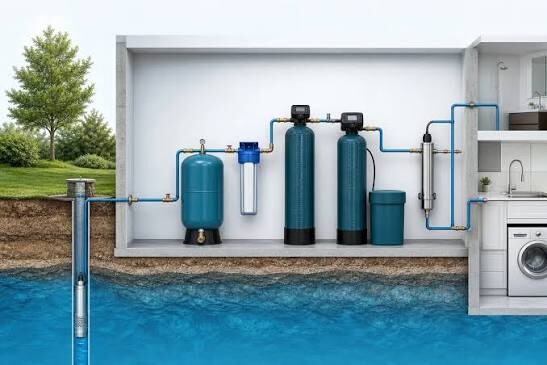
Water treatment equipment is designed to address particular concerns. A sediment filter catches particles, an activated carbon filter can reduce certain substances affecting taste and odor, and a water softener helps manage hardness minerals. Some homes use several pieces of equipment because their water has more than one issue.
However, treatment systems don’t work indefinitely without attention. Filters collect material, treatment media gradually lose effectiveness, and mechanical components can wear down. If maintenance is overlooked, the system may continue running without providing the expected results.
One of the most practical habits is to keep a record of service dates and equipment changes. It doesn’t need to be complicated. A note on your phone showing when a filter was installed, when the salt tank was refilled, or when the system was inspected can be surprisingly useful.
Regular care also helps you notice changes earlier. If the water suddenly tastes different or the system begins making an unfamiliar noise, you’ll have a clearer idea of whether the change coincides with a recent service or replacement.
Don’t Put Off Filter Replacement
Filters are often the most visible part of a home water treatment setup, yet they’re also easy to forget. A filter may sit inside a cabinet, beneath a sink, or in a utility area where nobody looks unless something goes wrong.
Following the recommended schedule for filter changes helps maintain the system’s performance. The correct interval depends on the filter type, the manufacturer’s instructions, incoming water quality, and how much water your household uses. A filter in a busy family home may reach its service limit sooner than one in a property with lower water consumption.
Waiting until water pressure drops is not always a reliable strategy. Some filters can become restricted as particles accumulate, while others may lose their ability to reduce particular substances without showing an obvious change in flow. Water that still looks clear isn’t proof that the filter is working as intended.
When replacing a cartridge, use a compatible product and follow the installation instructions. Make sure seals are seated properly, connections are secure, and any required flushing procedure is completed. If a filter housing is difficult to open or appears damaged, avoid forcing it. A small leak can quickly become an unnecessary plumbing problem.
It’s also wise to check whether the manufacturer specifies a maximum service life as well as a volume capacity. Either limit may determine when replacement is needed.
Private Wells Need Special Attention
Homes that use private wells have responsibilities that municipal water customers may not face. Well water can be affected by local geology, agricultural activity, nearby septic systems, flooding, and changes in groundwater conditions. Some problems affect taste or appearance, while others may not be noticeable without testing.
Regular laboratory testing is an important part of well maintenance. The appropriate testing schedule depends on local guidance and the property’s circumstances, but homeowners should not assume that water remains safe simply because it has looked and tasted fine for years. Testing for bacteria and nitrates is particularly important, with additional tests selected according to local risks.
Treatment may involve filters, disinfection equipment, or chemicals for well water, depending on the identified issue. For example, some systems use carefully controlled chemical treatment to address specific contaminants or manage iron and manganese. The correct approach depends on the water chemistry and the equipment being used.
Never add treatment chemicals to a well or household water system based on guesswork. The substance, concentration, contact time, and equipment requirements all matter. Incorrect dosing can create new water-quality concerns or damage plumbing components. Follow professional advice and the product manufacturer’s instructions.
If your well water suddenly changes color, develops a strong odor, or becomes cloudy after heavy rainfall or flooding, arrange appropriate testing and seek local public health guidance. Boiling water can address certain biological hazards, but it does not remove chemical contaminants and may concentrate some of them. The right response depends on the specific risk.
Water Softeners and Other Treatment Equipment
A water softener needs its own maintenance routine. For conventional salt-based systems, that usually includes checking the salt supply, looking for crusting or bridging in the brine tank, and confirming that regeneration occurs as expected.
If hard water symptoms return, don’t immediately assume the unit has failed. The cause might be low salt, an incorrect setting, a change in water demand, or a problem with the regeneration cycle. A water hardness test can help determine whether the system is still reducing hardness effectively.
Other equipment has different requirements. Reverse osmosis systems may use several filter stages and a membrane, each with its own replacement interval. Ultraviolet disinfection units require attention to the lamp and other components specified by the manufacturer. Carbon filtration systems may need media replacement or servicing based on their design and usage.
The important thing is to avoid treating every system alike. Check the manual for your specific model, and contact a qualified technician if you notice persistent problems or are unsure how to perform a maintenance task safely.
When a Maintenance Program Makes Sense
Some homeowners prefer handling basic checks themselves, while others would rather have a professional take care of the details. Both approaches can work, provided the system receives the attention it needs.
For a more complicated setup, maintenance programs can make service easier to organize. Depending on the provider, a plan may include scheduled inspections, filter replacement reminders, equipment checks, and access to repair services. The exact coverage varies, so it is worth reading the terms before signing up.
Ask what is included in the price and which expenses are billed separately. Replacement filters, membranes, salt, emergency visits, and major repairs may not all be covered. You should also find out whether the provider has experience with your particular equipment and whether service visits follow the manufacturer’s recommendations.
A maintenance plan is especially useful for homeowners who have several treatment devices or who rely on well water with changing conditions. Still, it isn’t automatically necessary for every property. A simple system with clearly defined replacement intervals may be manageable without a paid service contract.
Choose the arrangement that suits your equipment, schedule, and budget rather than paying for services you don’t need.
Keep an Eye on Changes in Water Quality
Maintenance isn’t only about replacing parts on a calendar. It also means paying attention to how your water behaves.
A new taste, unusual odor, visible particles, unexplained staining, or a sudden change in pressure may indicate that something deserves investigation. These signs do not identify the cause by themselves, but they provide a useful reason to check the system or arrange testing.
Keep records of water tests and service visits when possible. Comparing results over time can help you recognize patterns and make more informed decisions about repairs or upgrades.
A Little Care Goes a Long Way
Water treatment maintenance doesn’t need to become another demanding household chore. Start with the basics: follow replacement schedules, inspect equipment for visible problems, test private well water as recommended, and seek professional help when a problem goes beyond routine care.
The right approach can help treatment equipment operate as intended and reduce the likelihood of unexpected interruptions. More importantly, it replaces guesswork with a clear understanding of what your water system needs.
A few minutes spent checking your equipment today may save hours of inconvenience later. When water quality is part of everyday life, consistent care is a practical investment in the comfort and reliability of your home.