

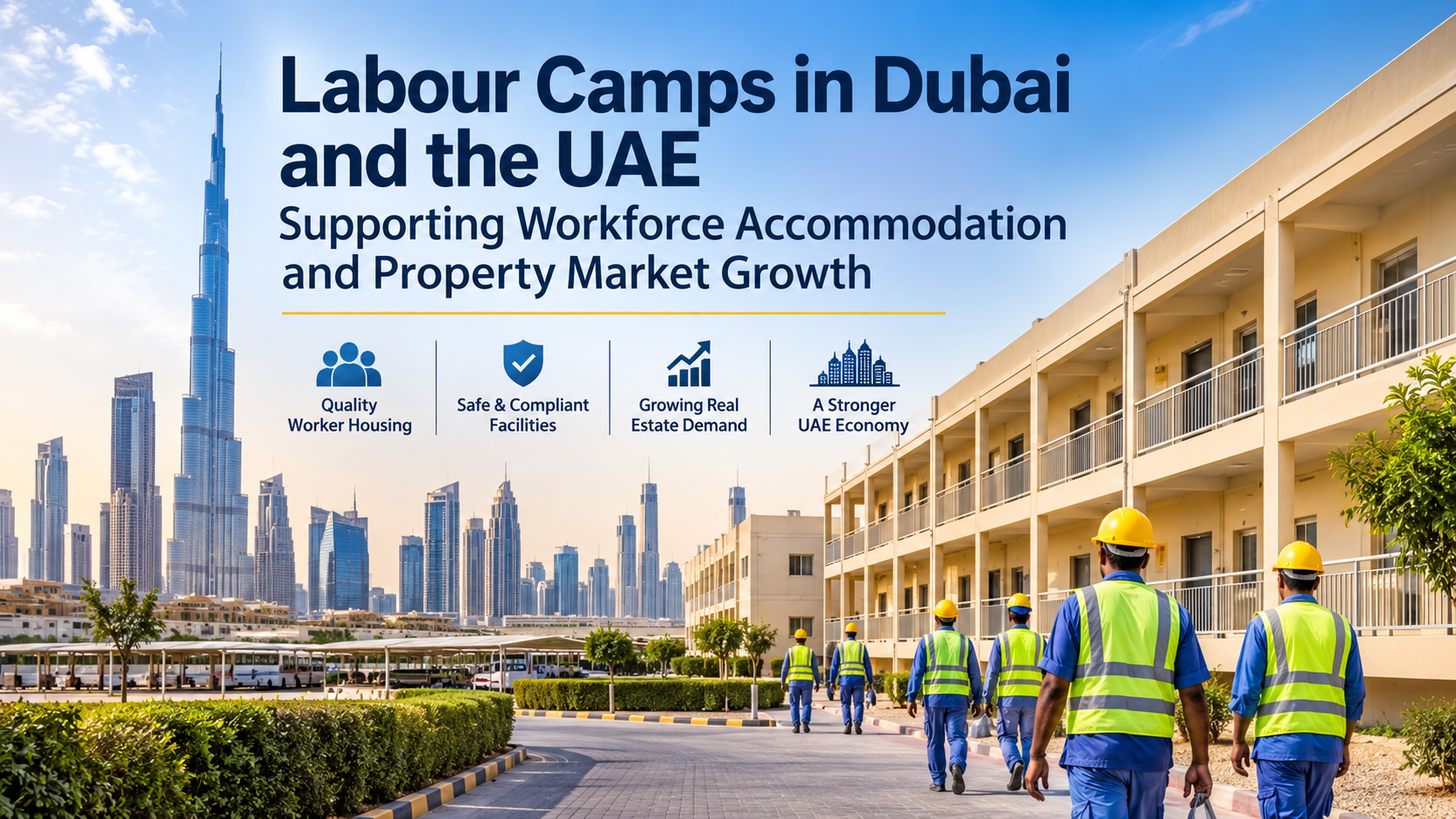
The growing demand for labour camps in Dubai highlights the importance of organized workforce accommodation in supporting the region’s construction, industrial, logistics, and infrastructure sectors. As businesses expand their operations, suitable housing facilities have become an essential part of workforce planning, helping employers provide practical living arrangements for employees while supporting daily business activities.
The Importance of Workforce Accommodation in Dubai
Dubai’s commercial and industrial development depends on workers across various sectors, including construction, manufacturing, transportation, maintenance, and logistics. Many companies require accommodation facilities that can support employees working on large projects or at locations away from residential communities.
Workforce accommodation is more than a place to stay. Well-managed facilities can provide essential services such as sleeping areas, dining spaces, sanitation, laundry facilities, recreational areas, and transportation arrangements. These features contribute to a more organized living environment and help employers manage workforce requirements.
Location is another important consideration. Accommodation situated within reasonable commuting distance of workplaces can reduce travel time and support smoother workforce transportation. Access to roads, public services, and essential facilities also influences the suitability of a property.
Key Features of Suitable Labour Accommodation
Choosing appropriate workforce housing requires attention to building quality, capacity, safety, and daily living conditions. Employers and property operators should assess several factors before selecting an accommodation facility.
Room capacity and layout: Rooms should provide suitable space for occupants, with proper arrangements for beds, storage, ventilation, and movement. Occupancy levels should comply with applicable requirements.
Hygiene and sanitation: Clean bathrooms, reliable water supply, waste management, and regular maintenance are essential for maintaining healthy living conditions.
Safety and security: Fire protection systems, emergency exits, electrical safety, security arrangements, and routine inspections should be prioritized.
Shared facilities: Dining areas, kitchens where permitted, laundry services, recreation spaces, and common areas can improve the overall accommodation experience.
Transportation and accessibility: Convenient access to workplaces and transport routes helps companies coordinate employee movement and daily schedules.
These features should be considered alongside the property’s condition, operating costs, and regulatory compliance.
Workforce Housing Requirements Across the UAE
The demand for organized employee accommodation extends beyond Dubai to other commercial and industrial locations across the Emirates. Businesses operating in Sharjah, Abu Dhabi, Ajman, and other developing industrial areas may require housing solutions close to their operational sites.
Companies evaluating labour camps in UAE should consider regional differences in workforce demand, transport access, accommodation standards, and local regulations. A facility suitable for one industrial location may not meet the requirements of a business operating elsewhere.
Employers should also review the services included in accommodation arrangements. These may involve maintenance, cleaning, security, food services, transportation, and facility management. Clear responsibilities between property owners, operators, and employers can help maintain consistent service standards.
Compliance is particularly important when selecting or managing workforce accommodation. Businesses should verify relevant approvals, occupancy requirements, safety standards, and local authority regulations before entering into an agreement.
The Role of Property Management in Accommodation Facilities
Effective property management helps maintain workforce accommodation over the long term. Regular building inspections, timely repairs, cleaning schedules, waste disposal, and utility management are important for keeping facilities functional and suitable for residents.
Professional management also supports better coordination between employers and accommodation operators. Clear procedures for maintenance requests, security concerns, facility access, and shared-space usage can reduce operational difficulties.
Property owners should plan for ongoing expenses such as utilities, staff salaries, maintenance, insurance, and infrastructure improvements. Keeping facilities in good condition can support tenant satisfaction and help maintain their suitability for business requirements.
Workforce Accommodation and the Commercial Property Market
Workforce housing forms a specialized segment of the wider commercial property market. Its demand is influenced by construction activity, industrial development, infrastructure projects, and the expansion of companies that employ large workforces.
For property owners and investors, location, building capacity, accessibility, operating standards, and regulatory compliance are important factors when assessing an accommodation asset. Facilities that meet employer requirements and provide reliable management may be better positioned to attract business tenants.
However, potential returns depend on acquisition costs, occupancy levels, operating expenses, market demand, and applicable regulations. Investors should conduct independent property inspections and financial assessments before making commitments.
Conclusion
Workforce accommodation plays an important role in supporting Dubai’s industrial and commercial development. Well-planned facilities can help employers manage housing requirements while providing workers with organized, safe, and practical living environments. As businesses continue to assess real estate investments in Dubai, workforce accommodation may form part of a broader commercial property strategy. Careful attention to location, building standards, management quality, and regulatory requirements is essential for making informed decisions and supporting long-term property performance.