

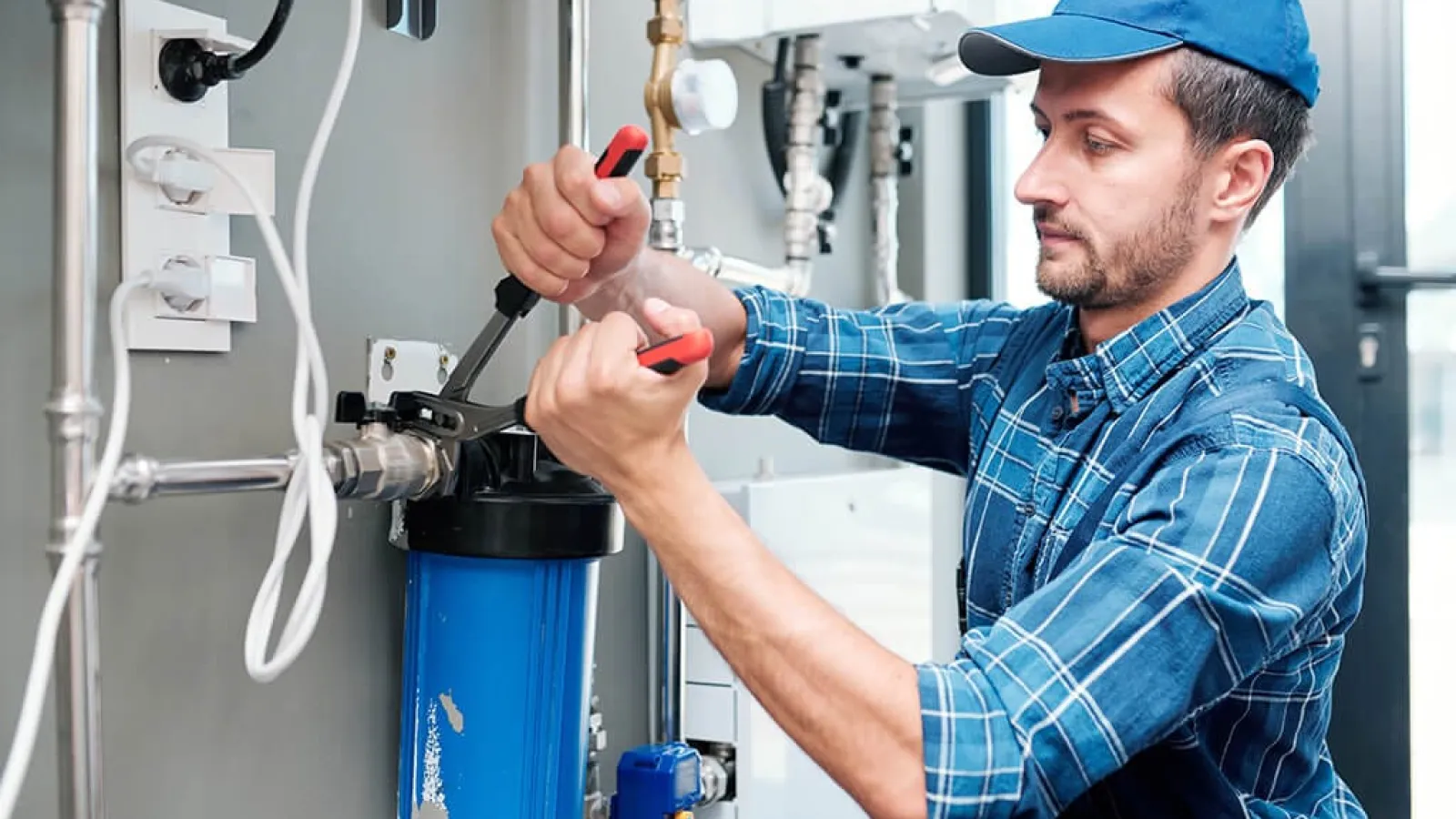
Water is one of those everyday things we tend to take for granted. Turn on the kitchen faucet, fill a glass, and move on with your morning. But when the taste changes, spots start appearing on fixtures, or the water leaves you wondering what’s actually coming through the pipes, it suddenly gets your attention.
For homeowners, choosing the right water filtration services isn’t simply about buying a filter and hoping for the best. Water quality can vary from one property to another, and the system that works beautifully for one household may not be the right fit for the next. A little research, along with proper water testing, can make the whole process much easier.
Why Water Quality Can Be Different From Home to Home
Even neighbors living a few streets apart can experience noticeable differences in their water. Municipal treatment, local plumbing infrastructure, groundwater conditions, and the age of a home’s pipes can all influence what comes out of a faucet.
Some households mainly notice chlorine taste or odor. Others deal with sediment, mineral buildup, or hard water. Private well owners may have an entirely different set of concerns.
That’s why it’s risky to choose a filtration system based solely on what a friend or relative installed. Their water isn’t necessarily your water.
A proper assessment can identify what you’re actually dealing with. Once you know that, selecting filtration technology becomes less of a guessing game.
Living With Water in Southern California
For people living in southern california, water quality and conservation often go hand in hand. The region’s climate, infrastructure, and diverse water sources make responsible water use an important part of everyday life.
But conserving water doesn’t mean you have to ignore its quality.
A filtration system can be designed to address specific concerns while still allowing a household to use water normally. The key is matching the treatment method to the problem rather than installing equipment simply because it happens to be popular.
This is particularly important with larger whole-home systems. They’re an investment, so homeowners should understand what the system is designed to remove, how often components need servicing, and what ongoing costs to expect.
Testing Comes Before Guessing
One of the most useful steps before choosing filtration equipment is testing the water.
It sounds obvious, but it’s often skipped. Homeowners may see white residue around faucets and immediately assume they need a particular treatment system. Someone else might taste chlorine and purchase a filter without checking whether there are other water-quality concerns.
Testing provides a clearer starting point.
Depending on the source and situation, testing may look at factors such as hardness, pH, chlorine, sediment, dissolved minerals, or other contaminants. Private well water can require additional testing.
The results don’t have to be intimidating. A qualified water professional can explain what the numbers mean and which treatment options are actually relevant.
Not Every Filter Does the Same Job
There’s a tendency to think of “water filtration” as one universal process. It isn’t.
Sediment filters, carbon filters, reverse osmosis systems, water softeners, and other treatment technologies work in different ways. Some target particles. Others reduce certain chemicals, dissolved substances, or minerals.
For example, a carbon filter may be useful for improving taste and reducing certain odors, while a softener is designed primarily to address hardness. Reverse osmosis can provide a more intensive treatment approach for drinking water, but it also produces wastewater and requires regular maintenance.
In other words, bigger isn’t automatically better.
The best system is the one that addresses the actual issue without creating unnecessary complexity or expense.
Maintenance Is Part of the Deal
Buying a filtration system is only the beginning.
Filters need replacement. Some equipment needs cleaning or inspection. Connections can loosen, components can wear, and performance can gradually decline. A system that’s neglected for years may not provide the results homeowners expect from it.
This is where routine professional service becomes worthwhile. Maintenance can help identify worn parts and keep the system operating properly.
It’s also a good opportunity to ask questions. How often should the filter be replaced? What happens if water pressure changes? Are there signs that indicate the system needs attention sooner than expected?
Knowing the answers means you’re less likely to be caught off guard.
Think About the Whole Household
When evaluating filtration, consider how your family actually uses water.
If your main concern is drinking and cooking, a point-of-use system might be sufficient. If you’re concerned about water throughout the property, a whole-house approach may make more sense.
Think about showers, laundry, dishwashing, appliances, and outdoor use. You don’t necessarily need every drop of water treated in exactly the same way.
There’s also the question of household size. A filtration system needs to keep up with demand. A system that’s perfectly adequate for one or two people might feel undersized in a busy household with several bathrooms.
These practical details matter more than flashy specifications.
Finding a Provider That Understands Your Area
Local knowledge can be surprisingly valuable when you’re dealing with water treatment. A provider familiar with your community may already understand common water-quality concerns, local conditions, and the types of systems homeowners tend to use.
Before hiring anyone, ask about experience, maintenance requirements, warranties, and what happens if the equipment needs repair.
Don’t be afraid to ask for an explanation in plain English. If someone can’t clearly explain why they’re recommending a particular system, that’s worth considering before signing anything.
And look beyond the initial installation price. A cheaper system that requires frequent replacement or difficult-to-find parts may cost more over time.
Understanding the Areas a Provider Actually Covers
It’s also smart to check the areas we serve before scheduling an appointment. Service boundaries can affect response times, maintenance availability, and whether a company can provide ongoing support after installation.
That matters because filtration isn’t a one-and-done purchase. If the system needs attention six months later, you want to know that help is reasonably accessible.
A provider that offers installation, maintenance, troubleshooting, and replacement services can be more convenient than juggling several companies.
Better Water Starts With Better Decisions
Choosing a water filtration system doesn’t need to become a complicated research project. Start with the water itself. Test it, understand the results, and then look at treatment options that solve the specific problem.
Just as importantly, think beyond installation. Good equipment needs sensible maintenance, and a good service provider should be willing to explain what your system needs over the years.
Clean, pleasant-tasting water is something most households appreciate every single day. The goal isn’t to chase the most advanced technology or spend money on equipment you don’t need. It’s to find a practical solution that fits your home’s water, your family’s habits, and your budget.
Do that, and water filtration becomes what it should be: a quiet improvement to everyday life, working in the background without demanding much attention.