







I’m the guy who fixes his own dishwasher, patches his own drywall, watched about forty YouTube videos to replace a garbage disposal once. So when I finally decided to deal with my hard water problem, my first instinct, naturally, was to just order the parts and figure it out myself over a weekend. That instinct did not survive contact with reality.
I got about halfway through researching what this would actually involve before I hit a wall of plumbing connections, electrical considerations, drainage requirements, and local code stuff I genuinely had no clue about. And I say this as someone who doesn’t scare easily on home projects. This one felt different, in a way I couldn’t quite articulate until I actually talked to someone who does it professionally.
The Part Where I Realized This Wasn’t a Weekend Project
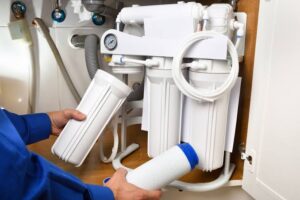
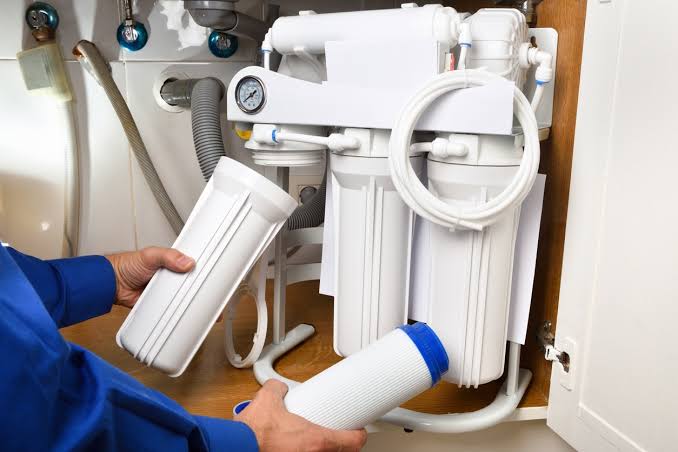
Here’s what surprised me most going in — I assumed a softener or filtration unit was basically just a big box you hook up to your main water line, kind of like plugging in an appliance. Turns out water treatment system installation involves a lot more than that. There’s bypass valve placement, drain line routing, sometimes electrical work depending on the system, plus making sure everything’s positioned correctly relative to your water heater and main shutoff.
And that’s before even getting into local plumbing codes, which apparently vary more than I expected depending on where you live. Get something wrong here — a bad connection, improper drainage, wrong valve orientation — and you’re not looking at a minor inconvenience. You’re looking at potential water damage, or a system that technically runs but never performs the way it’s supposed to. That’s when I quietly shelved my weekend DIY plan.
Watching Someone Who Actually Knew What They Were Doing
So I called someone in, and honestly, watching a professional installation happen was kind of eye-opening in a way I didn’t expect. What I thought might take me an entire confused weekend, complete with at least one hardware store emergency run, took the technician a few focused hours. He knew exactly where to tap into my main line, how to route the drain properly, where to position the bypass valve so future maintenance wouldn’t be a nightmare.
There was also this moment where he pointed out my water pressure was running slightly higher than ideal for the system I’d chosen, something I never would’ve thought to check myself. He adjusted a regulator as part of the install, which apparently protects both the new system and my existing plumbing long-term. That’s the kind of detail that just doesn’t occur to you when you’re going in blind, armed with nothing but a few online tutorials and unearned confidence.
Why the Setup Itself Matters More Than I Realized
This is the part I really underestimated going in — how much the initial setup affects everything downstream, pun sort of intended. A system that’s technically installed but not properly calibrated for your specific water conditions isn’t going to perform the way it should, no matter how good the equipment itself is on paper.
Getting a genuine expert setup meant the whole thing was actually programmed correctly from day one — regeneration cycles timed appropriately for my household’s water usage, salt dosage calibrated to my actual hardness levels instead of some generic factory default. It’s the difference between a system that just sits there technically functioning and one that’s actually optimized for your house specifically. I wouldn’t have known to ask about half these settings if I’d installed it myself, honestly.
Looking Back, Glad I Made the Call
I still fix my own dishwasher. I’ll still patch my own drywall without thinking twice. But this particular project taught me something useful about knowing where the DIY line actually sits — not based on how confident I feel walking in, but based on what’s actually at stake if something goes wrong. A leaky drywall patch is annoying. A poorly installed water system messing with your plumbing or never performing right is a whole different category of problem.
If you’re the type who defaults to doing things yourself the way I usually do, I get the instinct, truly. But for something this connected to your home’s actual water supply, it might be worth setting the tool belt down for this one. Sometimes the smartest DIY move is knowing exactly when not to.