

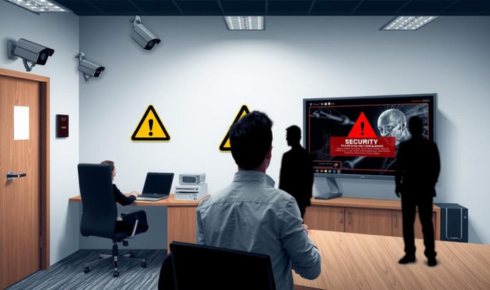
Retail spaces, office parks, and warehouses are no longer operating with the same passive approach to protection. Visible and proactive security is now woven into daily operations—not just for safety, but as part of the brand’s identity. The shift from optional safeguards to necessary defense strategies reflects how modern threats have changed the business landscape.
Customer Trust Hinges on Visible Safety Measures
Customers are growing more aware of their surroundings, especially in public-facing businesses. Clear signs of protection—such as uniformed guards, monitored entrances, and visible surveillance—are now tied to how safe visitors feel inside a location. These aren’t just deterrents; they build immediate confidence that a business takes public safety seriously. Beyond peace of mind, there’s a behavioral shift happening. Businesses with visible security features tend to see longer customer visits and fewer incidents of disruptive behavior. In the current environment, customer loyalty doesn’t just depend on product quality—it’s influenced by how secure people feel while shopping, dining, or meeting inside a space.
Employee Concerns Are Shifting Toward Personal Protection
Workplace safety now means more than just clean floors and fire drills. Employees want to know that threats from the outside—like aggressive individuals or theft—are being taken seriously. They’re asking more questions about emergency response plans and whether the company has professional security guards on-site.
As hiring becomes more competitive, many employees are choosing where to work based on how seriously a company treats security. It’s especially true in locations that operate late hours or in high-traffic areas. Business security has become part of the workplace culture, affecting recruitment and retention in ways that weren’t common just a few years ago.
Local Crime Trends Are Targeting Unprotected Storefronts
Criminal activity isn’t random—it follows patterns. Areas that appear easier to target, such as businesses without cameras or guards, often see repeated incidents. Unprotected storefronts in high-traffic neighborhoods are particularly vulnerable because they can be accessed quickly with little resistance.
Even a simple break-in can cause days of disruption and thousands in damage. Business security now includes preventive measures tailored to local risks, such as mobile patrols or live monitoring systems. This data-driven approach is a key reason many businesses are acting before an incident occurs rather than reacting after damage is done.
Equipment and Inventory Losses Are Hitting Smaller Businesses Harder
While large corporations might absorb the impact of theft or vandalism, smaller operations often can’t. A single event could wipe out key inventory, damage valuable equipment, or delay fulfillment for days. These losses not only affect the bottom line—they also harm credibility with clients and suppliers.
For small business owners, investing in tailored business security is no longer considered a luxury. It’s become a standard line item in operational budgets. On-site security personnel, remote monitoring, and access control systems are all now viewed as essential tools to keep operations running smoothly and avoid financial setbacks caused by preventable incidents.
More Leases Now Include Clauses About On-site Security Standards
Property owners and landlords are becoming more involved in how commercial tenants handle security. New lease agreements frequently include language about required safety protocols, surveillance minimums, or approved providers for on-site guards. This shift reflects rising liability concerns and a need to protect the entire property, not just one unit.
Tenants who fail to meet those expectations risk lease violations or disputes. To stay compliant and maintain good standing, many tenants now integrate business security into their lease negotiations from the beginning. The goal isn’t just to follow rules—it’s to ensure safety expectations align for everyone on the property.
After-hours Incidents Are No Longer Isolated Cases
Crimes that once occurred occasionally after dark are now happening more frequently. Late-night break-ins, loitering, or even employee altercations during overnight shifts are pushing business owners to extend their security coverage. Passive locks and alarms no longer offer enough peace of mind once doors are closed for the day.
A growing number of businesses are adopting continuous protection strategies. This includes hiring overnight security guards, implementing advanced camera systems with remote alerts, and using professional response services that can intervene immediately. These actions reflect a growing understanding: threats don’t clock out when the business day ends.
Competitive Businesses Are Investing in Full-time Protection Teams
High-performing businesses are treating security as a standard part of their operations—not just an emergency fallback. Full-time protection teams are becoming common in industries like logistics, retail, and hospitality, where on-site visibility and fast response are non-negotiable. These businesses see security not as a burden, but as a strategy.
Investing in round-the-clock business security demonstrates a long-term commitment to safety. It also sends a message to customers, competitors, and the community that the business operates at a higher level of professionalism. This mindset shift—treating security as a necessary department rather than an expense—continues to shape how successful businesses operate in today’s market.