









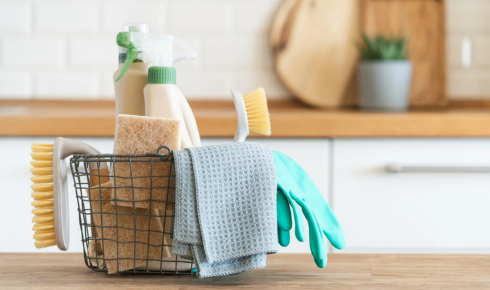
The cleaning products under your sink might be making your home sparkle, but at what cost to the environment? Traditional cleaning products often contain harsh chemicals that pollute waterways, contribute to air pollution, and can even harm your health. The good news is that eco-friendly cleaning is easier, more affordable, and more effective than you might think.
Whether you’re maintaining your primary residence or managing vacation home cleaning between guests, sustainable cleaning practices benefit both your immediate environment and the planet. Let’s explore how you can create a healthier home while reducing your environmental footprint.
Understanding Why Green Cleaning Matters
Conventional cleaning products release volatile organic compounds (VOCs) into your home’s air. These chemicals can trigger allergies, asthma, and other respiratory issues, particularly in children and pets. When washed down drains, these substances contaminate water supplies and harm aquatic ecosystems.
The packaging waste from cleaning products also contributes significantly to landfills. Most cleaning product bottles are used once and discarded, creating unnecessary plastic waste. By switching to eco-friendly alternatives, you protect your family’s health while reducing environmental harm.
Simple Ingredients, Powerful Results
You don’t need a cabinet full of specialized products to clean effectively. Four basic ingredients can handle almost every cleaning task in your home: white vinegar, baking soda, castile soap, and lemon juice. These natural substances are biodegradable, non-toxic, and incredibly versatile.
White vinegar is a natural disinfectant and deodorizer perfect for windows, countertops, and bathroom fixtures. Baking soda acts as a gentle abrasive for scrubbing surfaces without scratching. Castile soap, made from plant oils, creates effective all-purpose cleaners. Lemon juice cuts through grease and leaves a fresh scent.
Mix equal parts water and vinegar in a spray bottle for an all-purpose cleaner that tackles most surfaces. For tougher jobs, make a paste with baking soda and water. These simple solutions clean just as effectively as commercial products without the harmful chemicals.
Reducing Waste Through Reusable Tools
Single-use cleaning products like disposable wipes and paper towels generate enormous waste. Switching to reusable alternatives significantly reduces your environmental impact. Microfiber cloths clean more effectively than paper towels and can be washed hundreds of times.
Invest in quality mop heads and cleaning brushes designed to last years rather than months. Use old t-shirts and towels as cleaning rags instead of buying new ones. These small changes eliminate tons of waste from landfills while saving money. Learning sustainable living practices extends beyond cleaning into all aspects of home management.
Choosing Truly Green Products
If you prefer commercial cleaning products, choose wisely. Many products claim to be “natural” or “eco-friendly” without meeting meaningful standards. Look for third-party certifications like EPA Safer Choice, Green Seal, or EcoLogo, which verify environmental and health claims.
Read ingredient lists carefully. Avoid products containing phosphates, chlorine, ammonia, or artificial fragrances. Choose concentrated formulas that use less packaging and water. Many truly green brands offer refill stations or ship concentrates in minimal packaging, further reducing waste.
Be wary of “greenwashing”—marketing that makes products appear more environmentally friendly than they actually are. Images of leaves and terms like “natural” aren’t regulated and don’t guarantee a product is truly eco-friendly.
DIY Cleaning Recipes for Every Room
Creating your own cleaning solutions is easier than you think. For glass and mirrors, mix two cups of water, half cup vinegar, and a quarter cup of rubbing alcohol in a spray bottle. This solution leaves streak-free shine without toxic chemicals.
Make an effective bathroom cleaner by combining one cup baking soda with one-quarter cup castile soap and a few drops of tea tree oil for its antibacterial properties. This paste tackles soap scum, mold, and mildew naturally.
For floors, add half cup vinegar to a gallon of warm water. Add a few drops of essential oil if you prefer a scented cleaner. This solution works on tile, laminate, and sealed hardwood floors without leaving residue.
Sustainable Cleaning Techniques
How you clean matters as much as what you use. Conserve water by filling a bucket rather than running water continuously. Use cold water when possible—it cleans most surfaces effectively while saving energy used to heat water.
Clean regularly to prevent buildup that requires harsh chemicals or excessive scrubbing. Prevention is always more sustainable than correction. Implementing energy-saving home habits complements your eco-friendly cleaning routine.
Indoor Air Quality Improvements
Eco-friendly cleaning dramatically improves indoor air quality. Open windows while cleaning to increase ventilation and let fresh air circulate. Use houseplants like spider plants or peace lilies that naturally filter indoor air pollutants.
Skip artificial air fresheners, which often contain harmful chemicals. Instead, simmer citrus peels and herbs on the stove for natural fragrance, or use essential oil diffusers. These alternatives provide pleasant scents without compromising air quality.
Making the Transition Gradually
You don’t need to replace everything overnight. Start by finishing your current products, then replace them with eco-friendly alternatives as they run out. Begin with one or two homemade solutions to see how well they work before transitioning completely.
Involve your family in the process. Teach children about environmental responsibility through cleaning choices. When everyone understands the “why” behind eco-friendly cleaning, they’re more likely to maintain these practices long-term.
The Bigger Picture
Every small change contributes to a larger impact. By choosing sustainable cleaning practices, you’re reducing chemical pollution, conserving resources, and creating a healthier home environment. These choices demonstrate to others that environmental responsibility doesn’t require sacrifice—it often improves quality of life.
Eco-friendly cleaning proves that taking care of our homes and taking care of our planet go hand in hand. With simple swaps and mindful choices, you can maintain a spotless home while contributing to a more sustainable future. The cleanest home is one that’s healthy for both the people inside it and the world outside.


+ There are no comments
Add yours