








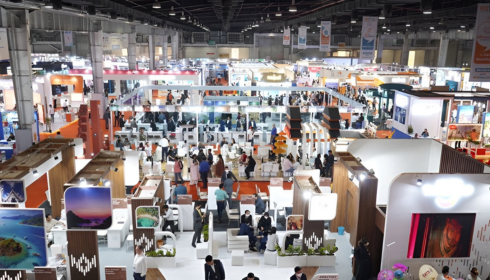
SATTE 2026 stood out for its shift in tone and perspective. The discussions were no longer about recovery or short-term revival. Instead, they focused on scale, resilience, and sustainable growth. For international delegates attending one of the most established Travel Trade Shows In India, India’s tourism economy appeared structured, confident, and ready for long-term investment.
Domestic Travel Forms the Core
India’s domestic travel market is one of the most powerful indicators that global investors have seen in the country. The population of Indian travellers is growing through a surge in new destinations, a rise in frequency of travel, and more confident expenditure. At a major Travel Fair India, the thriving domestic demand was even regarded as a factor of stabilisation. Internal travel activity acts as a sector’s support even when global markets are in turmoil.
Apart from Traditional Leisure
The most striking feature was the diversification of tourism offerings apart from the traditional sightseeing holiday. The travel economy in India is getting diversified in terms of the above-mentioned activities. There is a steady growth in wellness tourism, medical travel, luxury experiences, and spiritual circuits. The discussions at a famous Tourism Exhibition In India proved that the combination of these different segments could lead to multiple investment opportunities in hospitality, services, and destination infrastructure.
Policy Direction and Regional Growth
Investors also acknowledged the continuous infrastructure development and the improving regulatory framework. A well-defined consensus among the industry stakeholders and the policymakers was a sign of long-term commitment. On top of that, the new attractions in tier-II and tier-III cities demonstrated a wider regional economic upswing.
SATTE 2026 ultimately highlighted a simple reality: India’s tourism economy is not just expanding, it is becoming more mature, diverse, and investment-ready.




+ There are no comments
Add yours